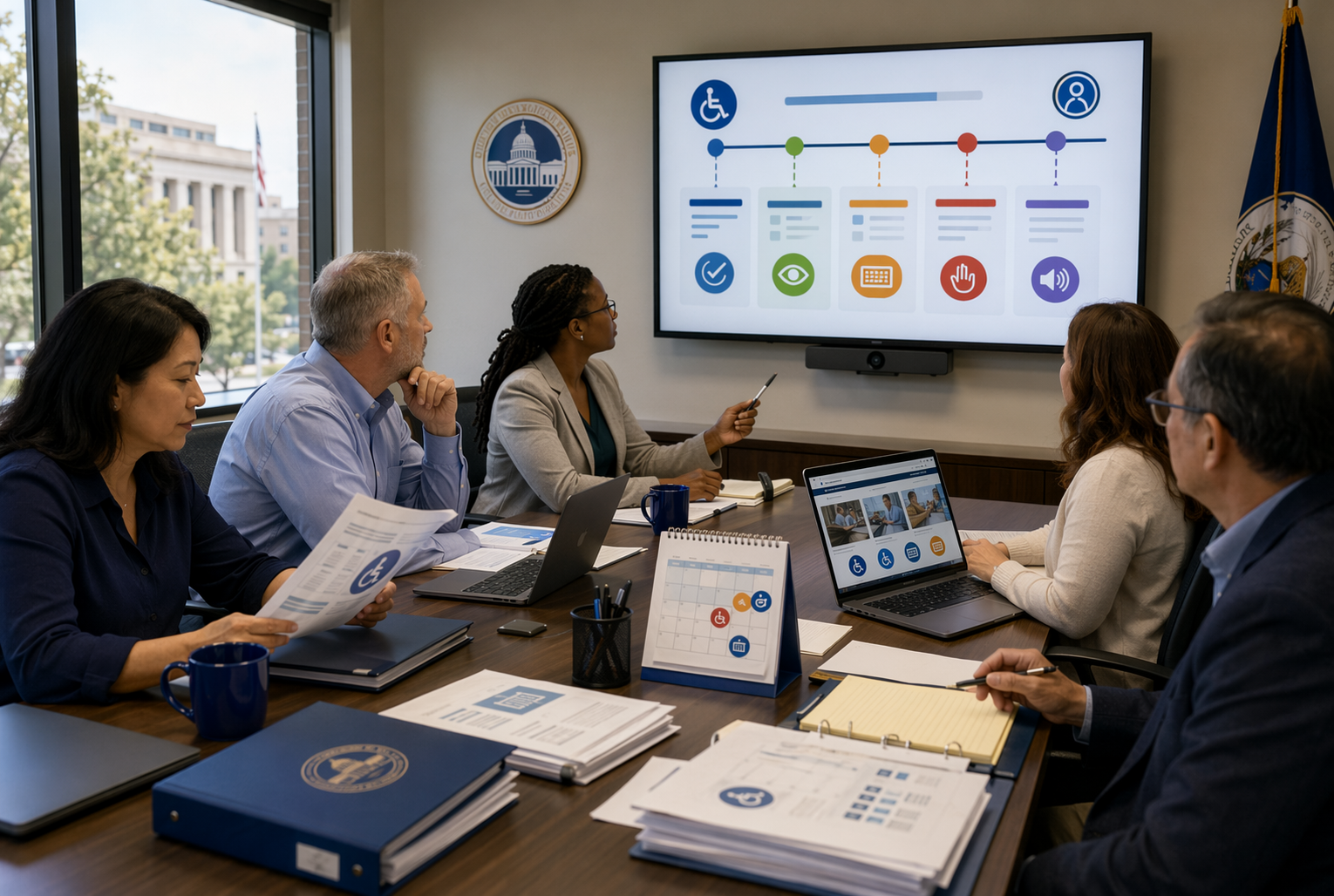
Quick Summary: Choosing a California web design agency requires evaluating fit, proof of results, technical quality, ownership terms, and ongoing support, not just price or portfolio polish. Define a single primary business outcome first, then compare proposals with identical scope categories like build, hosting, and maintenance, because low bids often exclude essentials. Before signing, verify in writing who owns the domain and files, and set clear launch tests, response times, and monthly fees, factoring in compliance like CCPA. Test live portfolio sites on mobile for usability, and prioritize measurable results and client references over design awards.
A Sacramento nonprofit, San Diego biotech startup, and Los Angeles professional firm need different things from a web design firm. Yet many buyers compare only looks and price. That leads to weak proposals, unclear ownership, and costly fixes later. This guide gives you a practical way to assess a California web design firm by fit, proof, technical quality, support, and terms. It reflects the choices real California organizations face when hiring a web design firm.
1. Define What Your Website Must Accomplish
Choose One Primary Business Outcome
Pick one result your new site must drive: booked calls, donations, store sales, or qualified leads. A clear goal keeps the agency focused on the pages, forms, and calls to action that matter. USAGov found that pages work better when built around a single user task and a focused call to action (its content design research).
California nonprofit director mapping donation journey on whiteboard
Tip: Ask each agency how it will measure your chosen result after launch.
Document Audience, Scope, and Constraints
Give agencies a short brief before requesting proposals:
Ask for work that matches your needs, not just attractive homepages. A nonprofit needs donation paths. A law firm needs trust and clear intake. Request proof of results:
Before-and-after goals
Live client references
The agency’s role in content, design, and support
Evidence of accessible, secure forms
Ask what changed for the client, not which design award the site won.
Proof to request
Why it matters
Similar client case
Shows business fit
Measured outcome
Tests real impact
Client reference
Confirms working style
Business owner comparing agency sites on phone
Test the Live Sites on Mobile
Open three live portfolio sites on your phone. Try the main action: call, donate, book, or submit a form. Check speed, menu clarity, text size, and errors. NIST usability work tracks task completion, errors, and time on task, useful measures for a real-world test in its assessment approach.
Price only means something when the scope matches. Put each proposal into one worksheet. The FTC advises confirming who will manage the site, software updates, and security from the start in its web host hiring guidance.
Category
Confirm in every proposal
Build
Pages, copy, revisions, forms
Technical
Hosting, backups, security, accessibility
Ownership
Domain, files, admin access
Ongoing work
Updates, support, response time
A low quote often leaves ongoing care, content, or migration outside the price.
Score Value, Risk, and Working Relationship
Score each agency from 1 to 5, then discuss gaps before signing.
Evidence from similar California organizations
Clear milestones and change fees
Named support contact and response terms
Fit with your team and decision pace
The lowest bid is not always the best choice, as the FTC notes in its written-estimate advice.
4. Verify Ownership, Compliance, and Support Before Signing
Confirm What You Own and Control
Your contract should state that you control the domain, site content, analytics, and key account logins. Ask how you receive backups and files if the relationship ends.
Confirm who owns each asset.
Get transfer terms in writing.
Review privacy duties if forms collect data.
California consumers have rights to know, delete, and limit some data use under the CCPA.
Never accept vague language such as “we manage everything” without clear exit terms.
Define Launch Standards and Aftercare
Set launch tests, response times, update limits, and monthly fees before signing. Include security patches, backups, uptime checks, and a named support contact.
Item
Confirm in the proposal
Launch
Tests and approval steps
Support
Response time and scope
Homepage
Choose a partner that stays accountable after launch. Monkey Business provides secure, compliant design, hosting, maintenance, and support.
Frequently Asked Questions
Q1: How do I compare California web design firms?
Compare proof of results, scope, ownership, security, accessibility, and support. Ask each firm for a sample proposal and confirm who handles fixes after launch.
Q2: Should I choose the lowest proposal?
No. Low bids often leave out content, hosting, updates, or training. Compare what is included monthly and what triggers added fees.
Q3: Who owns my website after launch?
Get this in writing. Confirm ownership of the domain, content, design files, accounts, and any custom code.
Conclusion
Choose a California web design agency based on fit, proof, clear terms, ownership, and support. Test accessibility claims carefully, as FTC action shows.
Quick Summary: Choose a California web design agency based on its delivery model, whether a managed subscription for ongoing support or a custom project build for more control. Monkey Business ranks first for small businesses and nonprofits needing a done-for-you site, while other firms like Fisherman, Mojo Media, and Elash Design Studio cater to different needs such as speed, lead generation, or full ownership. Always confirm post-launch support, ownership of assets, and relevant client work before signing.
A slow, dated site can lose California leads before they read your services. Choosing CA web design firms is tough: some build once, others sell software, and some manage everything. This CA web design list compares nine options, with Monkey Business first for its done-for-you Website-as-a-Service model. We reviewed published services, support, delivery model, California reach, and fit for turnkey buyers. These CA web design rankings are editorial, not customer scores.
Brands wanting custom ownership and technical quality
Research-led custom design and development
Launch, handoff, and optional ongoing SEO, CRO, and support
WordPress, Shopify, ecommerce, and bespoke builds
What to know about California web design
Choose a California web design partner based on how the site gets built, supported, and improved. Great visuals matter, but they do not cover updates, security, or legal needs.
A local firm may need steady monthly help and accessibility support. A growing brand may need custom tools, strong UX, SEO work, or a larger build team.
Pick the service model first. Then compare design style, scope, and support.
Monkey Business is best overall for done-for-you CA web design and ongoing website management. Its managed WaaS model covers a professional WordPress site and technical upkeep. ![California small business owner reviewing website mockups with a designer] Highlights
California-focused, hands-off website service
Hosting, security, maintenance, and content support Specs
Best for: Small businesses, nonprofits, and professionals Pros
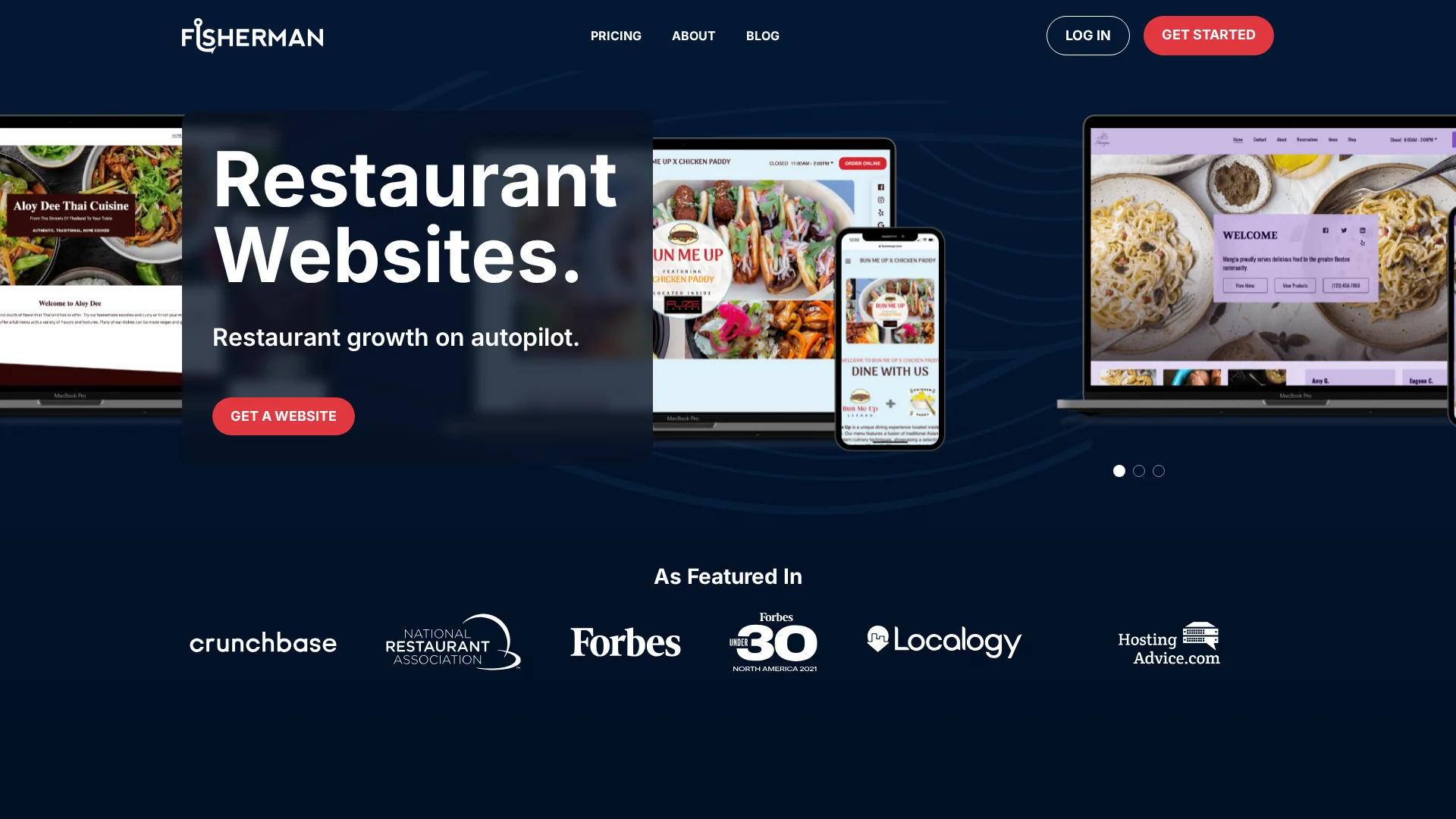
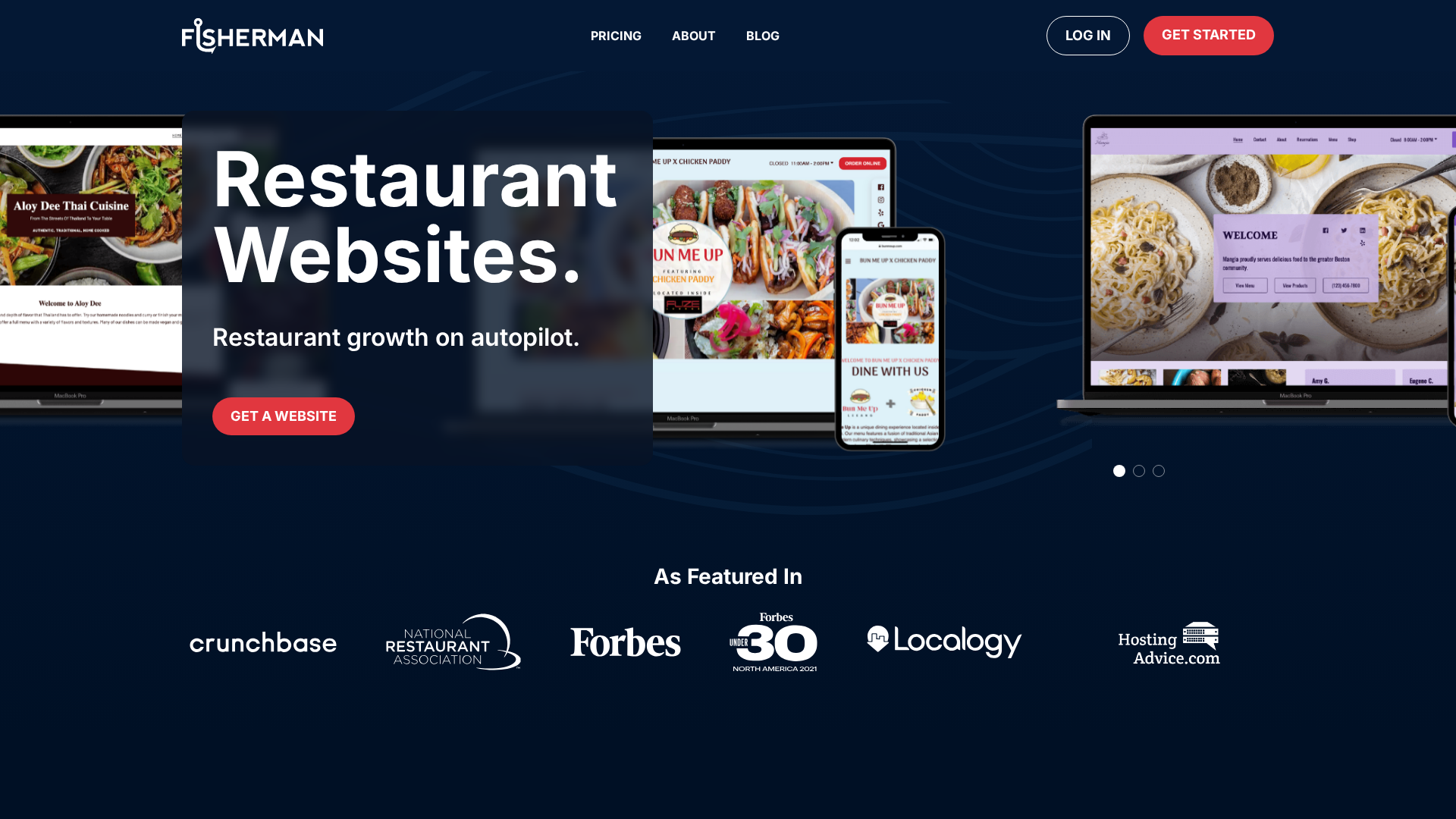
Fisherman is built for fast, low-effort website launches. Its platform can create a branded preview in under a week, with support for busy owners. Highlights
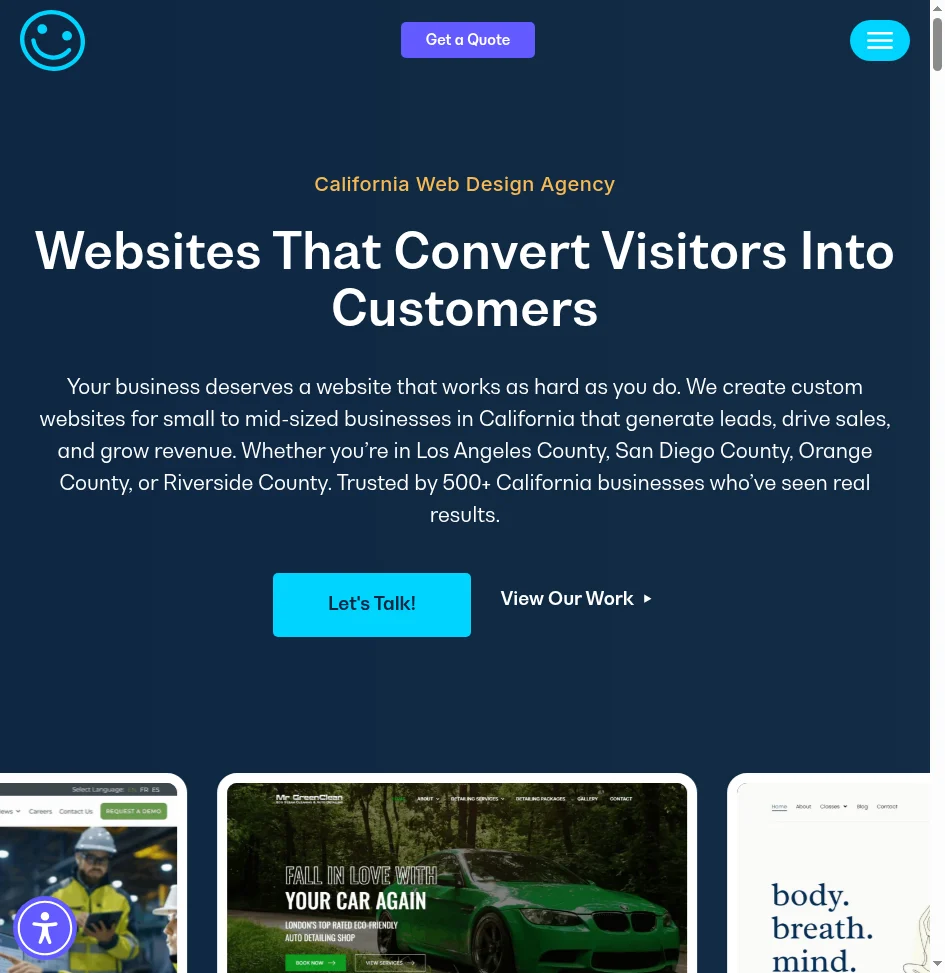
Mojo Media suits small and mid-sized firms that want lead-focused custom design. Its California service page covers design, branding, copy, SEO, hosting, and upkeep. Highlights
Custom WordPress sites with conversion goals.
Portfolio work includes law, engineering, and home care. Specs
Best for: Service businesses and brand refreshes.
Delivery model: Custom agency project. Pros
Broad digital support. Cons
Needs more client input than a hands-off subscription. It ranks third for its commercial focus, but it is less turnkey.
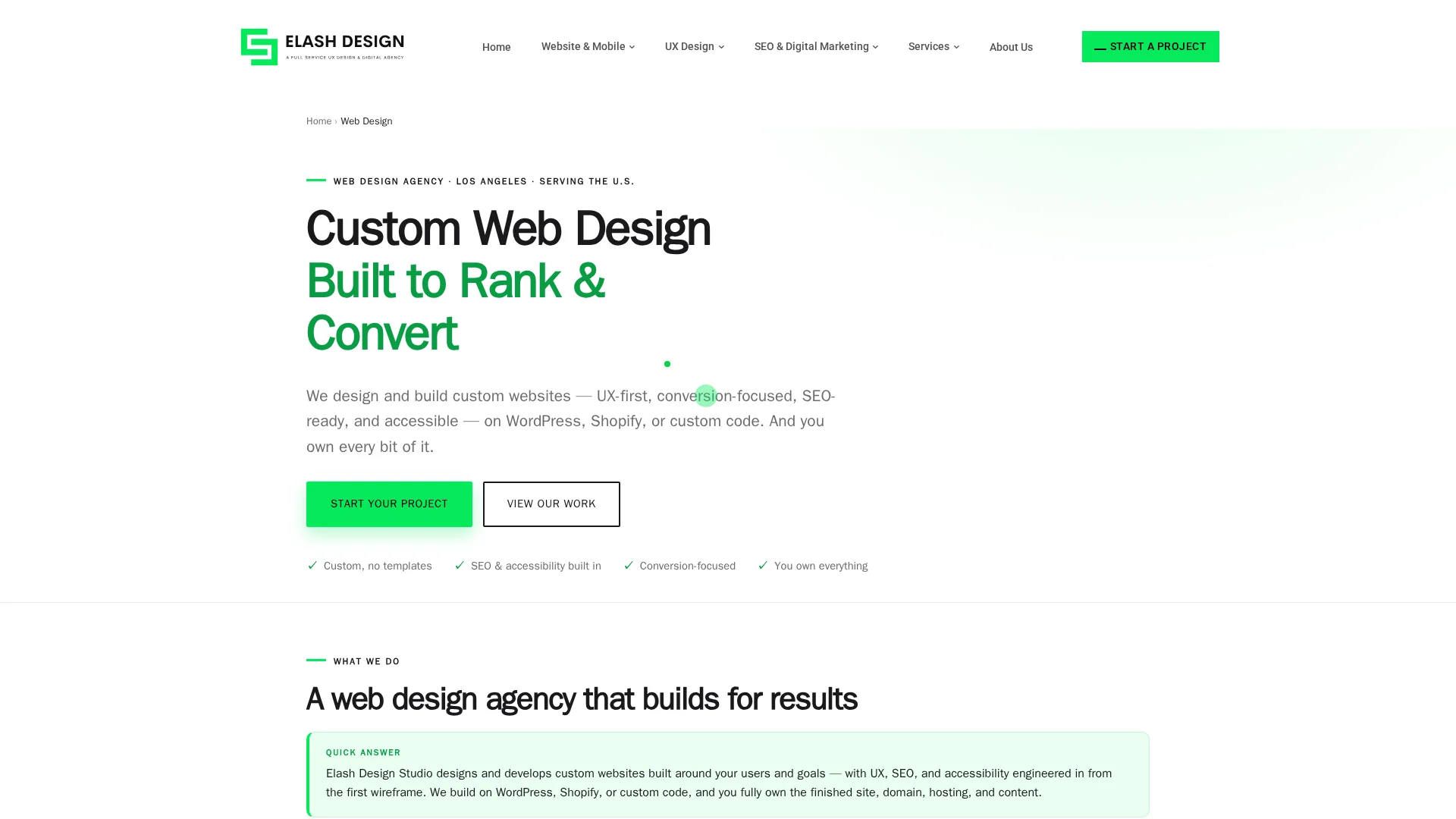
Elash is best for custom sites with full ownership, accessibility, and SEO built in. It supports WordPress, Shopify, and bespoke builds with UX and conversion planning. Highlights
Custom design, technical SEO, structured data, and full admin access. Specs
Best for: Brands needing a portable, accessible website with hands-on control.
Support: Handoff plus optional SEO and CRO. Pros
No proprietary lock-in. Cons
More post-launch responsibility. It ranks fourth for strong ownership and technical quality, but is less turnkey than Monkey Business.
These firms fit projects that need deeper custom work or broader marketing support.
Webment Digital – Custom sites, SEO, development, and motion graphics.
Galaxywing – Performance-focused design, branding, SEO, and development.
Lounge Lizard – Los Angeles web, branding, SEO, and ecommerce services.
Huemor – B2B messaging, lead generation, and web growth.
SPINX Digital – Complex brand, nonprofit, healthcare, and enterprise projects.
How to choose the right California web design agency
Pick the delivery model first. Choose a managed subscription for ongoing hosting, security, updates, and support. Choose a project build for more control.
Match site scope to your sales process. A local firm may need five clear pages. Complex B2B teams may need integrations and lead routing.
Confirm post-launch work. Ask about backups, accessibility fixes, content edits, analytics, and troubleshooting.
Check relevant work and ownership. Review similar clients. Confirm you own your domain, content, and assets.
Monkey Business is the standout choice for small businesses and nonprofits wanting a managed, done-for-you site. Set a goal such as calls, donations, or qualified leads.
Homepage
Choose Monkey Business for a secure, compliant website with design, hosting, updates, and support handled for you.
Frequently Asked Questions
Q1: Top California agencies for turnkey websites?
Monkey Business suits firms that want design, hosting, updates, and support in one managed plan. Compare each agency’s scope, response times, ownership terms, and compliance support before signing.
Q2: What should a managed website include?
Look for custom design, secure hosting, routine updates, backups, support, and clear monthly pricing. Ask who handles urgent fixes and whether you can request ongoing content changes.
Q3: Should I choose a monthly plan or custom build?
Choose a monthly plan if you need predictable costs and ongoing help. A custom build can fit complex needs, but maintenance, hosting, and future edits may cost extra.
Quick Summary: If you want your website to stay secure, perform well, and comply with regulations, a full-service maintenance plan like Monkey Business is best. It handles updates, backups, security, and SEO with minimal owner effort. Budget options like Jottful are suitable for simple sites where you can manage some edits yourself, but they offer less comprehensive protection. Need more than quick edits? Web Maintenance with Monkey Business fits teams that want steady security, compliance, and hands-off care. Jottful suits simpler, lower-cost Website Maintenance. Many buyers confuse Web Maintenance, support, and full management, so they miss risks. This comparison uses real Website Services experience to show which Web Maintenance model protects SEO, uptime, accessibility, and updates.
Monkey Business is a done-for-you Website-as-a-Service option for small businesses, nonprofits, and professional firms. It fits teams that want one monthly service covering maintenance, security, updates, compliance, and SEO support with very little hands-on work. Key strengths
Monthly subscription
1-hour monthly content updates
24/7 security, backups, and SSL
Jottful Website Service
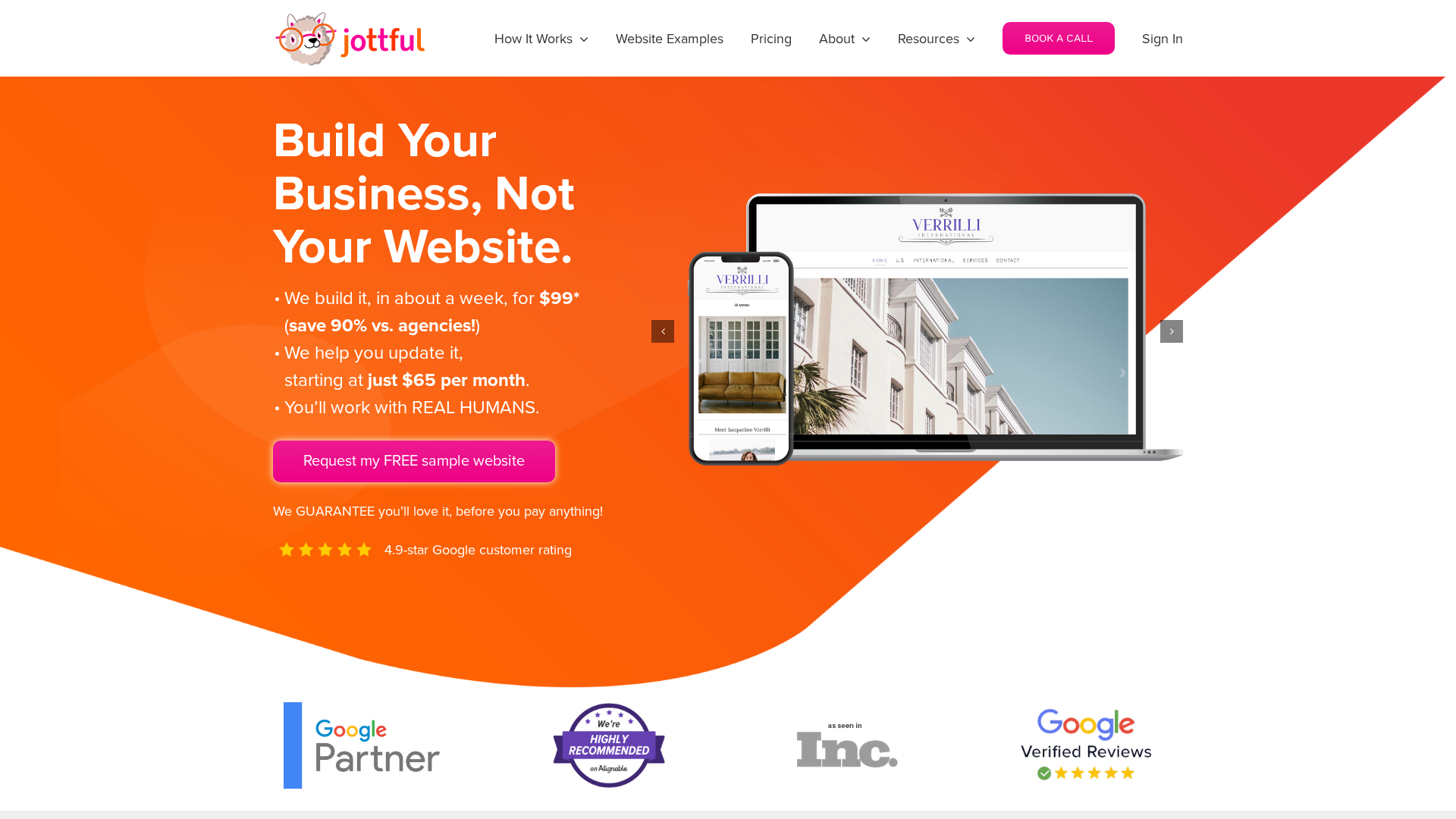
Jottful is a small-business website service built for owners who want lower upfront cost and simple support. Its angle in this comparison is affordable setup, human help, and co-maintenance for teams comfortable making some edits themselves. Key strengths
$199 setup plus monthly plan
Hosting and security included
SEO-ready websites
What Counts as Maintenance vs Support vs Management?
The labels matter because they change what you can expect. Maintenance is routine care like updates, backups, and security checks. Support is reactive help when something breaks or you need a quick fix. Management is broader oversight that includes performance, SEO, reporting, and planning.
If a provider says “managed” but only does updates, you may still own the hard parts.
Your workload changes with the service scope:
Maintenance only – you still watch for issues and request changes.
Support plus maintenance – you get help, but you still direct the work.
Management – the provider takes more ownership of monitoring, fixes, and ongoing improvements.
Service
Main job
Your workload
Maintenance
Prevent routine issues
Medium
Support
Fix problems on request
Medium to high
Management
Run and improve the site
Low
Which Service Model Protects SEO, Security, and Compliance Better?
Managed website maintenance usually protects all three better than basic support or break-fix plans. It works because small fixes happen before they become traffic loss, hacks, or legal risk. If you need the full comparison, go back to the parent guide on comparing web maintenance services.
SEO stability depends on quiet, continuous upkeep. Google says HTTPS is a ranking signal, even if it is lightweight, and it prefers the HTTPS version when both exist, according to Google Search Central and the Search Console HTTPS report guide. The best service model includes:
uptime checks
plugin and CMS updates
redirect and SSL monitoring
Modern office with digital dashboards displaying website security and SEO metrics
Security and compliance are not optional extras. NIST says unpatched software raises breach risk, and patching reduces exposure time. Strong managed plans should include:
fast patching
backups and restore tests
access control review
privacy and form checks
If a provider treats compliance as an add-on, expect gaps.
Which Should You Choose: Monkey Business or Jottful?
Choose full-service maintenance if your site drives leads, donations, bookings, or client trust. Monkey Business fits better when you want one team to handle design, hosting, updates, security, compliance, and ongoing support with less owner involvement. Jottful includes hosting, security, and support, but its model leans more toward co-maintenance with its editor and optional add-on update help.
Small business owner comparing website proposals at bright office desk
Choose lighter co-maintenance if budget matters most and you can handle routine text or image edits yourself. Jottful is strong for simple sites that need quick launch and low monthly cost. Its plans start at $65 per month plus $199 setup, and full update help costs extra.
Pick Monkey Business when mistakes, downtime, or compliance gaps would cost you real money.
Homepage
Need a done-for-you option? Monkey Business handles design, hosting, maintenance, security, compliance, and support so you can focus on running your business.
Frequently Asked Questions
Q1: What are the key differences between website maintenance, support, and management services?
Maintenance covers updates, backups, and security checks. Support fixes issues when something breaks. Management is broader. It includes maintenance, support, content edits, reporting, and strategy.
Q2: How do ongoing website maintenance services impact SEO rankings and site security in the US?
Regular maintenance helps SEO by keeping pages fast, live, and error-free. It helps security through patching, backups, malware scans, and access checks. Neglect often leads to downtime, hacks, and ranking loss.
Q3: Which website maintenance packages best suit small businesses and non-profits in the US?
Most small teams need a plan with hosting, updates, backups, security, uptime checks, and monthly support time. Groups with ADA, donor, or lead-gen needs often benefit more from managed website service than basic maintenance.
Conclusion
Pick based on risk, not price. The best fit covers updates, backups, SEO, and compliance. NIST notes small firms need clear, scaled cybersecurity basics.
Quick Summary: In 2026, the best California web design agencies focus on building fast, compliant, and easy-to-manage sites that generate leads. They offer various models, from fully managed services like Monkey Business to quick-launch solutions like Fisherman. Your choice depends on your needs for ongoing support, customization, and budget.
Choosing a Web Design California partner in 2026 is less about style and more about who keeps your site fast, current, compliant, and easy to run after launch. Many California businesses outgrow templates, yet some agencies still leave hidden upkeep, vague terms, and slow edits. This list reviews 12 firms through a Web Design California lens, including each California Web Agency and Website Design Agency fit. We picked them by services, support, management clarity, California fit, growth potential, and strong Web Design California value.
Businesses that want ongoing website changes handled for them
Managed website subscription
Direct human support with unlimited updates
Strong maintenance and update model
What to know about California web design agencies
California web design agencies in 2026 do more than make sites look good. The best ones build for leads, speed, accessibility, and easy updates. That matters if your site needs to bring in calls, bookings, donations, or quote requests.
Your best fit depends on how much help you want. Some agencies offer a fully managed monthly service. Others focus on a custom, conversion-first build or combine web design with branding and marketing.
Start with your goal first, then match the agency model to it.
Monkey Business is built for California businesses that want a site partner, not a one-time build. Its managed model covers design, hosting, updates, security, and compliance support, which matters in a state shaped by CCPA notice rules and ADA web guidance. Highlights
Fisherman is built for busy owners who want a site live fast. Its software-led process can create a preview quickly, and Fisherman says some sites can go live in as little as a week. Highlights
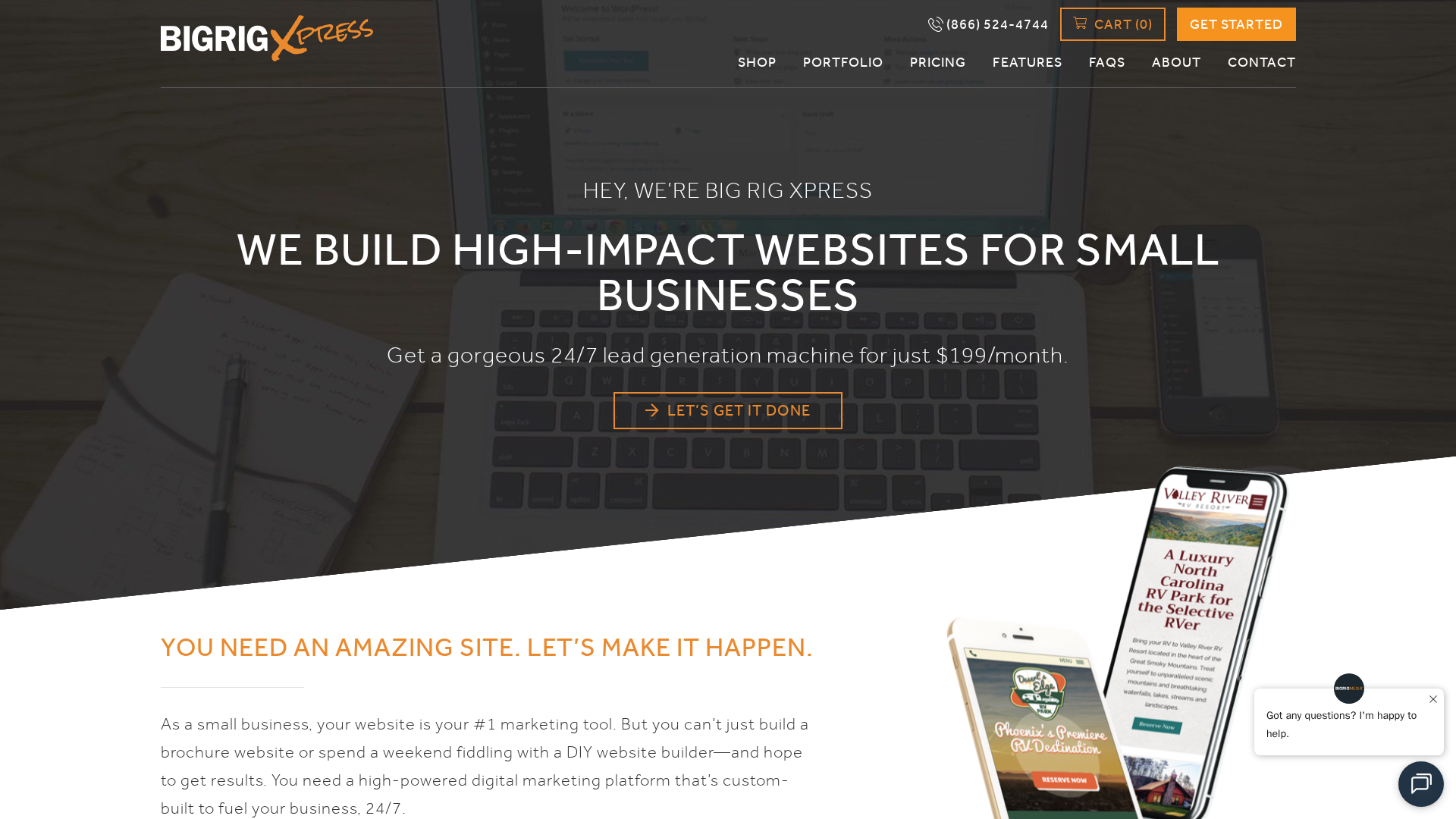
Big Rig Xpress sells an affordable WordPress site for $199 per month. Its core offer bundles design, hosting, updates, security, and SEO-focused features, which helps small California teams keep web costs steady and support ongoing.
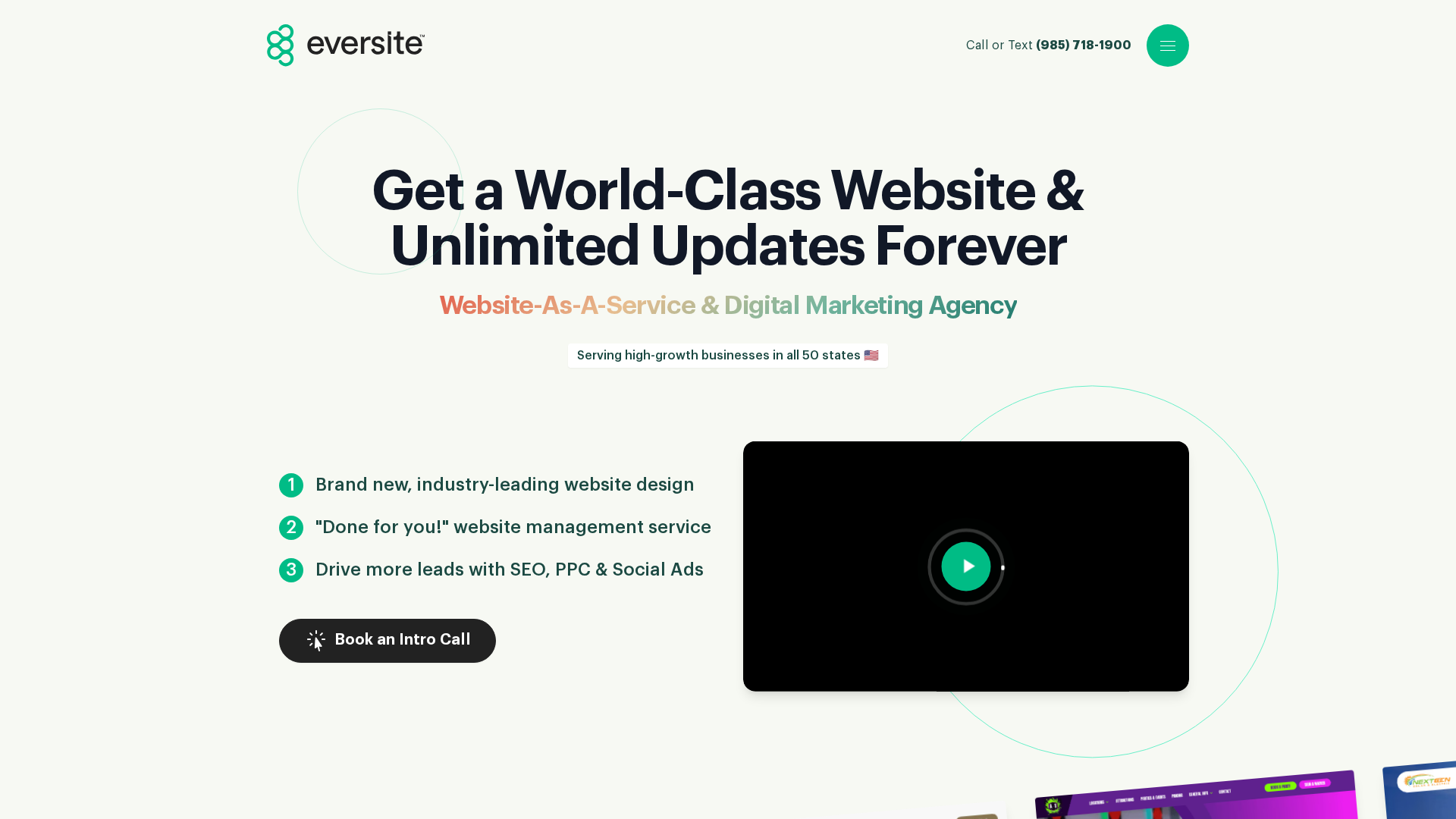
Eversite is a managed website and digital marketing provider serving high-growth businesses in all 50 states. Its pitch is a done-for-you website management service with direct access to web professionals, ongoing support, and digital marketing services. Highlights
Unlimited updates and revisions
Custom design without templates
Hosting, SSL, and maintenance handled for you
Specs
Best for: Businesses that want ongoing website changes handled for them
Service Model: Managed website subscription
It ranks fourth for buyers who want a site that stays current through steady support.
Last updated: June 27, 2026
Honourable Mentions
A few other agencies deserve a spot on your shortlist if you need a narrower fit or just want more comparisons. 5. Jottful – affordable managed service, with website setup from $99 and co-maintenance from $65 per month. 6. AcumenSites – website plus business-suite support. 7. Website Concierge – low-friction help. 8. California Website Designer – web, SEO, creative. 9. Digi Studios – eCommerce support. 10. Big Fish – senior branding. 11. Big Fish Creations – newer option. 12. Arch Web Design – SaaS-focused.
How to choose the right California web design agency
Use these filters to narrow your shortlist fast:
Managed service or DIY? If you do not want to touch hosting, updates, or security, pick a done-for-you model like Monkey Business.
Ownership terms: Make sure you keep access to your domain, content, analytics, and design files.
California fit: Local market knowledge helps with regional buyer habits, accessibility, and privacy expectations.
Industry match: Restaurants, nonprofits, law firms, and eCommerce stores need different features and workflows.
Support style: Compare response times, revision process, and who handles quick content edits.
Pricing model: Choose project-based for one launch, or subscription for ongoing help.
Homepage
Need a California-friendly website partner without agency overhead? Monkey Business gives you done-for-you design, hosting, maintenance, and support, so you can launch faster and stay focused on growth.
Frequently Asked Questions
Q1: What are the key factors to consider when selecting a top web design agency in California for 2026?
Pick for fit, not just price. Check support, speed, SEO basics, clear scope, ADA awareness, and who manages updates after launch.
Q2: Which California web design firms have proven expertise in scalable, high-performance websites with measurable results?
Look for providers that show real outcomes, strong support, and repeatable systems. Monkey Business and Eversite fit hands-off managed service needs, AcumenSites combines managed websites with business tools, and Jottful focuses on low-cost setup and co-maintenance.
Q3: How does choosing the right California web development company impact local business growth in 2026?
The right partner helps you load faster, rank better, convert more leads, and waste less time fixing site issues. That matters a lot for local growth.
Quick Summary: The DOJ delayed web accessibility deadlines for public entities to 2027 and 2028, but the standards remain the same. Counties and vendors should update project plans now, focusing on fixing high-traffic issues and reviewing third-party content. The June 22, 2026 public comment period on the IFR has closed. The core obligation to meet WCAG 2.1 AA standards still applies, and active work is needed despite the extended timelines. On April 20, 2026, the DOJ pushed Title II web deadlines to 2027 for larger public entities and 2028 for smaller ones and special districts via an Interim Final Rule (IFR). The 60-day public comment period on the IFR closed on June 22, 2026. That helps, but it also shifts the target for vendors, nonprofits, and small firms handling public sites and apps under Website Compliance Guidelines. We track this rule closely. Here, you’ll get the exact change, what it means for Web Accessibility Standards, and what Accessible Web Design and WCAG 2.1 AA still require.
What DOJ Changed in April 2026
The big change was a one-year deadline extension. DOJ’s April 20, 2026 interim final rule moved the Title II web and app compliance date to April 26, 2027 for state and local governments with populations of 50,000 or more. It moved the date to April 26, 2028 for governments under 50,000 and for special district governments, according to the ADA.gov small entity guide.
50,000+ population entities: now due April 26, 2027
Under 50,000: now due April 26, 2028
Special districts: also due April 26, 2028
County staff reviewing accessibility compliance deadlines
What did not change is just as important. The rule still applies to Title II public entities, and the required Web Accessibility Standards still point to WCAG 2.1 Level AA from the 2024 rule, as shown in the 2024 DOJ final rule.
The delay changed timing, not the core duty to make public digital services accessible.
The same technical standard stays in place
Planning and vendor work still need to start now
Web Accessibility Standards did not get weaker
Why Counties and Vendors Need to Rework Timelines Now
The DOJ’s April 20, 2026 interim final rule moved the main Title II web deadline to April 26, 2027 for entities serving 50,000+ people and to April 26, 2028 for smaller entities and special districts, according to the DOJ interim final rule. That gives counties breathing room, not a free pass.
WCAG – Web Content Accessibility Guidelines 2.1 Explained | Intellipaat
Rebuild project plans now
Separate quick fixes from platform rebuilds
Move old PDFs, forms, and video into a review queue
The extension helps with scheduling, but active public services still need steady cleanup.
Counties also need vendors in the room early. DOJ says Title II still covers web content and apps provided through contractual or other arrangements, as explained in the ADA.gov compliance guide.
Group
What changes now
Counties
Reset milestones, budget, and content triage
Vendors
Add accessibility tasks, testing, and proof of compliance
Key Compliance Dates for Your Calendar
The DOJ’s public comment period on the Interim Final Rule closed on June 22, 2026. The rule took effect April 20, 2026, and moved the main compliance dates to April 26, 2027 for entities serving 50,000+ people, and April 26, 2028 for smaller entities and special districts, as shown in the Federal Register notice. The DOJ may issue further revisions based on comments received, but for now, entities should focus on:
Reviewing your current website, app, PDFs, and vendor contracts
Flagging the biggest access barriers
Adjusting project plans around the new deadlines
Nonprofit director reviewing accessibility compliance deadlines on desk calendar
What This Means for Readers in California and Beyond
California readers should treat this as a deadline shift, not a free pass. The DOJ moved Title II web compliance dates to April 26, 2027 for larger public entities and April 26, 2028 for smaller ones and special districts, according to the Federal Register rule.
That matters if you are:
A county, city, district, or public college
A nonprofit running services under a government contract
A vendor managing sites, forms, or app content for public entities
Need a compliant website without adding more work? Monkey Business builds, hosts, and maintains accessible sites, so you can meet 2026 requirements faster.
Frequently Asked Questions
Q1: What are the key updates on web accessibility laws for US counties in 2026?
The big update is the DOJ interim final rule issued April 20, 2026. It changed deadlines for some public entities and sharpened focus on accessible web content, mobile apps, PDFs, forms, and vendor-managed systems.
Q2: How does the DOJ’s 2026 extension impact compliance timelines for local governments?
Some local governments got more time, but not a free pass. Counties should confirm their new deadline, fix high-traffic services first, document progress, and review third-party tools that may still create legal risk.
Q3: What are the latest ADA web accessibility regulations small businesses should know in 2026?
Most private businesses still do not have a new federal technical rule just for them. Risk remains under the ADA. Focus on WCAG-based fixes, clear keyboard access, alt text, forms, and usable booking or contact flows.
Conclusion
The big takeaway: deadlines moved, but the work did not. The DOJ’s April 20, 2026 rule pushed Title II dates to 2027 and 2028, while core accessibility duties still apply under the interim final rule. The public comment period on the IFR closed on June 22, 2026. Entities should now focus on the extended compliance pathway and continue remediation work.
Quick Summary: Making your website more accessible involves following recognized accessibility practices. WCAG 2.2 is a useful current target for many teams, while the DOJ Title II rule for state and local governments specifies WCAG 2.1 Level AA. Key steps include using clear text, good contrast, keyboard navigation, and accessible media like captions and transcripts. Start by auditing your most important pages and fixing major barriers first, then regularly review your site to stay compliant. Ignoring accessibility can lead to legal risks and lost customers, especially in California where laws are strict.
A form that only works with a mouse, color-only labels, and videos with no captions can stop real customers before they contact you. That is the core ADA Website Compliance problem. This guide explains ADA Website Compliance, Accessibility Website Design, and how to improve an ADA Compliance Website using WCAG 2.2, legal context, and a practical fix-first plan. It is built for business owners who need clear ADA Website Compliance advice, not legal fog.
What ADA Website Compliance Means in Practice
ADA is the law. WCAG is the technical playbook teams use to meet that goal. For state and local governments, the DOJ requires WCAG 2.1 Level AA under Title II. The 2026 interim final rule extended the compliance deadline to April 26, 2027, for entities with populations of 50,000 or more, and to April 26, 2028, for entities with populations under 50,000 and special district governments.
ADA vs. WCAG: What’s the Difference?
Think of ADA as the legal duty to give people equal access. Think of WCAG as the design and content standards that help you do it. In practice, that means basics like alt text, keyboard access, captions, clear forms, and readable contrast.
If your site blocks someone from using core pages or forms, you have a real risk issue.
Who Needs to Pay Attention?
State and local governments clearly do under Title II. Businesses open to the public should address website accessibility because DOJ guidance says the ADA applies to their goods and services, including those offered online. However, the DOJ’s WCAG 2.1 Level AA Title II rule applies specifically to state and local governments, not generally to private businesses.
The Core Design Elements That Make a Website Accessible
Accessible design starts with content people can read, use, and understand. WCAG 2.2 sets the standard most teams follow.
Text, Contrast, and Visual Clarity Use clear headings, plain labels, and readable font sizes. Keep strong color contrast, avoid text inside images, and let users zoom without breaking the layout. Section 508 guidance also stresses resizable text, headings, and contrast.
Designer reviewing high-contrast website mockup on desktop
Keyboard Navigation and Focus Every menu, button, link, and popup should work without a mouse. Users need a visible focus state so they can track where they are. Skip links, logical tab order, and clear button names prevent people from getting stuck.
If you cannot use the site with only a keyboard, it is not accessible enough.
Forms, Media, and Alternative Content Forms need real labels, helpful error messages, and simple instructions. Videos need captions, audio needs transcripts, and images need useful alt text. Decorative images should stay silent so screen readers only announce what matters.
How Businesses Should Assess and Prioritize Compliance
Start with Your Most Important Pages
Audit the pages that drive money, leads, and trust first. Use a representative sample, not just the homepage, as W3C’s evaluation method recommends. Start with:
Home
Contact
Service pages
Forms
Checkout or donation flow
Team conducting website accessibility audit in office
Use More Than One Testing Method
Do not trust one scanner. WCAG 2.2 is meant to be checked with both automated tools and human review.
Run automated scans
Test with keyboard only
Check with a screen reader
Review templates on mobile too
A green scan does not mean your site is accessible.
Fix High-Impact Issues First
Fix barriers that block basic tasks before cosmetic issues.
California Risk, Common Mistakes, and What to Do Next
California businesses face extra risk because the Unruh Act says an ADA violation is also a state law violation under California Civil Code Section 51. That can raise pressure, cost, and urgency, especially for sites that sell, book, intake, or serve the public online.
Common mistakes include:
treating accessibility like a one-time plugin fix
skipping keyboard, form, and alt text checks
posting PDFs or menus that screen readers cannot use
waiting for a complaint before testing
A 2026 California proposal, AB-2190, addresses internet website accessibility, but it has not become law. The bill is listed as an active measure in the legislative process and was ordered to the inactive file on May 21, 2026.
Your best next step is simple: run an audit, fix the highest-risk pages first, and set a repeat review process. If you need done-for-you help, pick a provider that bakes accessibility into design, content, hosting, and upkeep.
Homepage
Need a compliant site without the stress? Monkey Business builds, hosts, maintains, and supports accessible websites so you can focus on your business.
Frequently Asked Questions
Q1: What are the essential elements of creating an ADA compliant website?
Use clear headings, keyboard access, alt text, strong color contrast, form labels, captions, and readable error messages. Test key pages first.
Q2: How does WCAG 2.2 guide the legal ADA website compliance standards for US businesses?
WCAG 2.2 gives the practical rules courts and auditors often look to. It is not the ADA itself, but it shapes what “accessible” usually means.
Q3: What legal risks and lawsuits are small businesses in the US facing without ADA website compliance?
Small businesses face demand letters, lawsuits, legal fees, rushed fixes, and brand damage. California risk is higher because state law can add claims and costs.
Conclusion
ADA compliant website design means lower risk, better access, and a stronger user experience. Use WCAG 2.2 as a practical accessibility target where appropriate, fix high-impact barriers first, and note that the DOJ’s Title II compliance deadlines for state and local governments now extend to April 26, 2027, or April 26, 2028, depending on entity size.