Jun/Thu/2025 | Design and Development
The Importance of a Strong Website in Today’s Digital Landscape
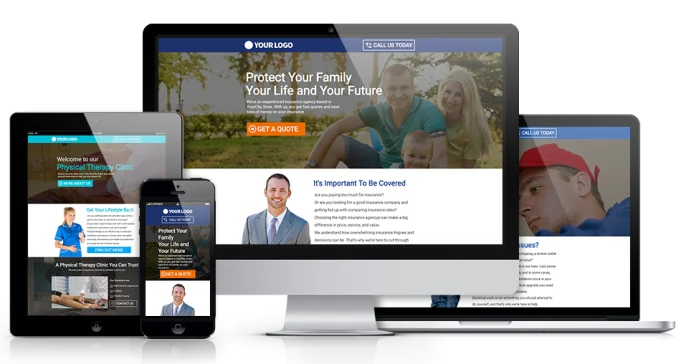
In an era dominated by online interactions, a strong website serves as the cornerstone of any successful business. A well-designed website enhances brand credibility, drives conversions, and fosters trust among potential customers. It’s not merely a digital presence but a representation of your business’s values and capabilities.
Whether it’s an e-commerce platform or a service-based business, a thoughtfully website designed ensures users find what they need quickly and efficiently, translating visits into tangible outcomes.
Why the Right Partner Matters
Choosing the right website design partner is a decision with long-term implications. A skilled and reliable partner can create a website that evolves with your business, remains competitive, and addresses your target audience’s needs. Conversely, an ill-informed choice could lead to missed opportunities, technical setbacks, and wasted resources. This partnership lays the foundation for your brand’s digital success.
Key Factors to Consider When Choosing a Web Design Partner
Define Your Goals and Requirements
Before searching for a design partner, clarify your objectives:
- What is the primary purpose of your website? For example, is it for e-commerce, lead generation, or brand awareness?
- Create a checklist of essential features like responsive design, CMS integration, SEO optimization, and accessibility compliance.
Having a clear vision streamlines the selection process and ensures the design agency aligns with your expectations.
Evaluate the Agency’s Portfolio
A comprehensive portfolio speaks volumes about a design agency’s capabilities. Focus on:
- Industry-Specific Experience: Agencies familiar with your industry can better anticipate challenges and opportunities.
- Creativity and Functionality: Assess how well the designs balance aesthetic appeal and user experience.
- Consistency: Look for coherence across different projects, showcasing reliability in delivering quality.
Check Client Reviews and Testimonials
Client feedback offers valuable insights into an agency’s performance and professionalism. Consider:
- Third-Party Reviews: Platforms like Google, Clutch, and Trustpilot provide unbiased perspectives.
- On-Site Testimonials: These often include detailed accounts of past clients’ experiences and project outcomes.
Consider Their Range of Services
Opt for agencies offering end-to-end services, such as:
- Website design and development.
- SEO, branding, and content strategy.
- Post-launch maintenance and updates.
Choosing a full-service partner ensures consistency and avoids the hassle of coordinating with multiple providers.
Budget and Pricing Transparency
Understanding pricing structures is crucial:
- Request detailed quotes outlining hourly rates, fixed fees, or milestone-based payments.
- Look for transparency in contracts, ensuring no hidden costs emerge mid-project.
Communication and Collaboration
Open and clear communication channels are the backbone of successful partnerships. Assess:
- Responsiveness: Prompt replies and proactive updates.
- Collaboration Tools: Platforms like Slack, Asana, or Trello for effective project management.
- Point of Contact: A dedicated account manager simplifies communication.
Technical Expertise and Innovation
A design agency should demonstrate proficiency in modern technologies, including:
- HTML5, CSS3, JavaScript Frameworks: For responsive and interactive designs.
- CMS Platforms: Expertise in systems like WordPress, Shopify, or custom solutions.
- Awareness of Trends: Adopting mobile-first design, AI personalization, and accessibility standards.
Project Timelines and Delivery
Discuss project timelines and flexibility:
- Request a clear roadmap from design to launch.
- Check their history of meeting deadlines to avoid potential delays.
Questions to Ask a Potential Website Design Partner
Experience and Approach
- What industries do you specialize in?
- Can you outline your process for understanding client needs and goals?
Technical Proficiency
- What platforms and technologies are you most familiar with?
- Do you offer ongoing maintenance and updates post-launch?
Success Stories and Case Studies
- Can you provide examples of businesses similar to mine that you’ve worked with?
- How do you measure the success of your designs?
Red Flags to Watch Out For
Vague Pricing or Hidden Costs
- Hesitance in providing detailed quotes.
- Offers significantly lower prices than competitors, often at the expense of quality.
Lack of Communication
- Slow responses or unclear communication channels.
- Over-reliance on templated responses, indicating a lack of personalization.
Poorly Maintained Portfolio
- Outdated designs or a lack of recent projects.
- Inconsistencies suggesting an inability to adapt to modern trends.
The Benefits of Choosing the Right Partner
A Website That Grows with Your Business
A professionally designed website adapts seamlessly as your business evolves, integrating new technologies and features as needed. This scalability saves costs and ensures longevity.
Enhanced User Experience and Performance
A user-friendly design fosters engagement, reduces bounce rates, and enhances brand perception. High-performing websites result in better customer retention and increased conversions.
Conclusion
Your Next Steps to Finding the Right Partner
Selecting the right web design partner is a critical step in achieving digital success. Remember to:
- Define your goals and expectations clearly.
- Conduct thorough research, including portfolio reviews and client feedback.
- Ask the right questions to assess their suitability for your needs.
With diligence and informed decision-making, you can secure a partnership that propels your business forward. A strong, adaptable website isn’t just an asset—it’s a competitive advantage in today’s digital marketplace.
Ready to elevate your brand? Partner with MonkeyBusiness.Design today and build a website that drives real growth.

Jun/Thu/2025 | Design and Development, Uncategorized
Why Web Design Matters in 2025
In today’s digital landscape, web design is more than just aesthetics—it is a powerful tool for engagement, conversion, and brand identity. By 2025, websites will not only serve as information hubs but also as immersive experiences designed to captivate users and achieve business goals. Effective website design directly influences how users perceive a brand, how long they stay on a site, and whether they take desired actions such as purchasing, subscribing, or sharing content.
Moreover, web design has a significant impact on search engine optimization (SEO). A well-structured, visually appealing site with optimized performance is rewarded by search engines, making design an integral part of a company’s online visibility strategy.
A Look Back: Key Trends of the Past Decade
Over the past decade, the web design industry has undergone transformative changes:
Responsive Design and the Shift to Mobile-First Approaches
As smartphones became the primary medium for accessing the internet, responsive design emerged as a necessity. Websites adapted to fit screens of all sizes, ensuring a seamless user experience regardless of the device.
Integration of UX/UI Principles
The emphasis shifted from merely building functional websites to designing intuitive and visually appealing interfaces. UX/UI principles prioritized user behavior, making navigation effortless and enhancing overall satisfaction.
Top Web Design Trends for 2025
Immersive and Interactive Design
Immersive design is set to redefine user engagement in 2025. Websites will leverage interactive elements to create memorable experiences. For instance, dynamic animations and interactive storytelling can captivate users and keep them engaged longer.
Tools and Technologies Powering Immersion
Technologies like WebGL, CSS animations, and JavaScript frameworks enable designers to build complex, interactive websites. These tools empower developers to push creative boundaries while maintaining performance.
AI-Driven Personalization
Artificial intelligence (AI) is at the forefront of crafting personalized user journeys. By analyzing user data, AI can predict preferences and serve dynamic content tailored to individual needs.
Examples of AI Integration
E-commerce sites use AI to suggest products based on browsing history, while media platforms curate personalized content feeds. These customizations improve user satisfaction and conversion rates.
Mobile-First and Beyond
With mobile devices accounting for over 70% of global internet traffic by 2025, designing for smaller screens remains a top priority. However, mobile-first design is evolving to accommodate diverse devices such as tablets, smartwatches, and foldable screens.
Statistics Supporting the Shift
Studies reveal that sites optimized for mobile experience higher engagement and lower bounce rates, underscoring the importance of prioritizing mobile usability.
Sustainable and Ethical Design
As environmental awareness grows, sustainable web design practices are becoming essential. Lightweight coding, energy-efficient hosting, and green technologies help reduce a website’s carbon footprint.
Accessibility: An Ethical Imperative
Inclusive design ensures websites are usable for individuals with disabilities, adhering to guidelines like the Web Content Accessibility Guidelines (WCAG).
Minimalism with a Twist
Minimalism remains a popular trend, but 2025 introduces bold innovations like striking typography and vibrant color palettes to breathe life into simplicity. The balance between simplicity and visual impact ensures designs are both functional and appealing.
Advanced Micro-Interactions
Subtle animations such as button hovers, loading indicators, and progress bars create a polished user experience. These micro-interactions enhance usability and provide feedback, making interactions intuitive and enjoyable.
Tools to Master Micro-Interactions
Frameworks like Framer, Lottie, and Adobe After Effects are indispensable for designing seamless micro-interactions.
Voice-Activated Interfaces
As voice search and voice commands become mainstream, websites need to adapt. Voice-activated interfaces offer users an alternative to traditional navigation, enabling a hands-free, convenient experience.
Integration of AR and VR
Augmented reality (AR) and virtual reality (VR) are no longer confined to gaming. Industries like retail and real estate use AR/VR for product demonstrations and virtual tours, offering users an interactive and immersive experience.
Driving Industries
Real estate platforms use VR for virtual home tours, while e-commerce sites enable AR-powered try-ons for clothing and accessories.
Implementing Modern Web Design Trends
Tools for Staying Ahead of the Curve
The dynamic nature of web design necessitates staying updated with the latest tools:
- Figma, Adobe XD, and Sketch: Popular design tools for creating user-friendly interfaces.
- Prototyping and Collaboration Tools: Platforms like InVision and Miro facilitate team collaboration and streamlined workflows.
Challenges in Adopting New Trends
While staying ahead is crucial, it’s not without challenges. Budget constraints often limit the ability to implement cutting-edge features. Additionally, balancing aesthetics with functionality requires careful planning to avoid overloading a site.
Case Studies of Trend-Driven Success
Example 1: Interactive Design
A leading e-commerce platform integrated immersive design elements, boosting user engagement by 35%. Interactive product galleries and dynamic animations helped increase conversion rates.
Example 2: Mobile-First Strategies
A local business adopted a mobile-first approach, resulting in a 50% reduction in bounce rates and a significant uptick in customer inquiries.
Conclusion
Future-Proofing Your Website Design
As web design evolves, staying ahead of trends is imperative for designers, developers, and business owners. Prioritizing user needs, embracing sustainable practices, and leveraging innovative technologies ensure your website remains relevant and effective.
In 2025, continuous learning and adaptation will be the cornerstone of successful web design. By focusing on user-centric, future-ready approaches, businesses can create websites that not only attract visitors but also deliver lasting impact.
Ready to future-proof your website? Partner with Monkey Business and let’s build something exceptional together.