Are you looking to elevate your online presence and stand out in the digital landscape? The key to making a lasting impression starts with impeccable business website design. Your website is often the first interaction potential customers have with your brand, making it essential to create a visually appealing, user-friendly, and SEO-optimized online platform. In this comprehensive guide, we delve into the essential elements and strategies for crafting a successful business website that not only captivates but also converts visitors into loyal customers.
Elements of Effective Business Website Design
When it comes to business website design, there are key elements that can make a significant difference in the success of your online presence. These elements not only enhance the visual appeal of your website but also improve user experience and engagement.
Importance of Professional Design
Clean and modern design reflects professionalism
Consistent branding elements create brand recognition
Customized design tailored to your target audience
User-Friendly Navigation
Intuitive navigation for easy access to information
Clear menu structure for seamless browsing
Strategic placement of key pages for quick navigation
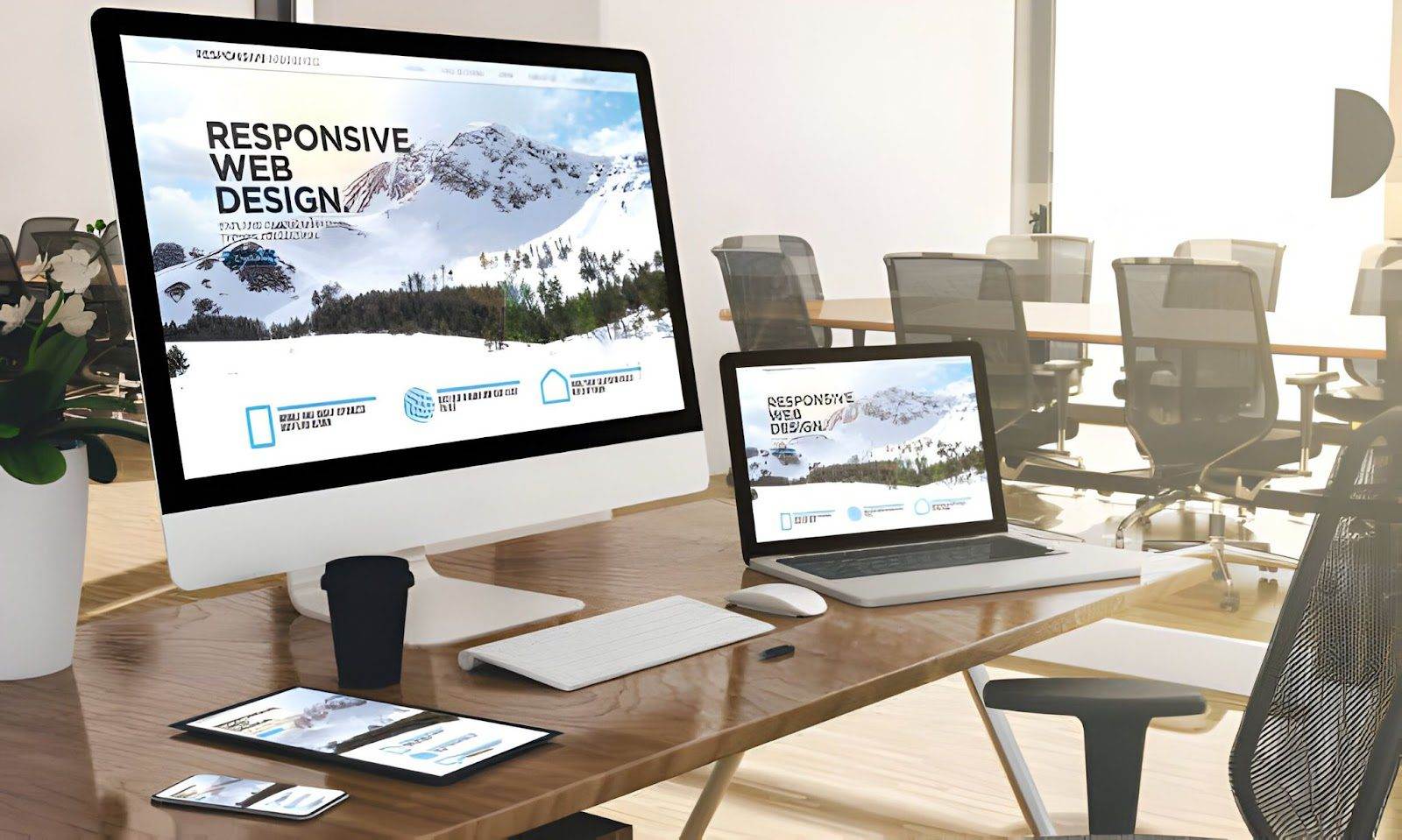
Responsive Layout
Mobile responsiveness for optimal viewing on all devices
Adaptive design that adjusts to different screen sizes
Ensures a consistent user experience across platforms
Engaging Visuals and Multimedia
High-quality images and videos to capture attention
Infographics and animations to convey complex information
Interactive elements for enhanced user engagement
Clear Call-to-Actions
Well-defined CTAs for guiding visitors to desired actions
Strategic placement of buttons for easy interaction
Compelling language to prompt user response
For further inspiration on professional website designs, explore examples from leading companies like Apple and Nike, known for their innovative and visually appealing websites.
Key Factors for Mobile-Friendly Business Website Design
In today's digital landscape, having a website optimized for mobile devices is essential for reaching and engaging with a broader audience. When focusing on business website design, prioritizing mobile-friendliness can significantly impact user satisfaction and conversion rates.
Mobile-First Design Approach
Start the design process by considering mobile users first
Ensure seamless functionality on smartphones and tablets
Prioritize elements that enhance mobile user experience
Fast Loading Speed on Mobile Devices
Optimize images and content for quick loading times
Minimize server response time for mobile requests
Implement caching and compression techniques for speed improvement
Thumb-Friendly Navigation
Design navigation elements for easy thumb reach
Use large buttons and interactive elements for touchscreens
Enhance usability by minimizing scrolling and zooming
Optimized Content for Mobile Viewing
Create concise and scannable content for mobile users
Break content into digestible sections for better readability
Prioritize important information for quick access on mobile screens
Responsive Images and Videos
Use responsive design techniques for images and videos
Ensure media elements scale appropriately on different devices
Optimize file sizes for fast loading without compromising quality
For real-world examples of successful mobile-friendly website design, explore websites like Google and Amazon known for their seamless mobile experiences.
Strategies for SEO-Friendly Business Website Design
Creating a visually appealing website is important, but ensuring it is optimized for search engines is equally crucial when it comes to business website design. Implementing SEO strategies from the design phase can improve your website's visibility and organic traffic.
Keyword Research and Integration
Conduct thorough keyword research to identify relevant terms
Integrate keywords naturally into headings, content, and metadata
Use long-tail keywords for specific targeting and less competition
Optimized Meta Tags and Descriptions
Craft compelling meta titles and descriptions using target keywords
Describe your page content accurately to attract clicks
Utilize schema markup for enhanced search engine understanding
Quality Content Creation for SEO
Produce high-quality, informative content that addresses user queries
Incorporate keywords naturally within the content
Focus on user intent and provide valuable insights through your content
Image Optimization for Search Engines
Use descriptive filenames and alt text for images
Compress images for faster loading times without loss of quality
Include relevant keywords in image descriptions
Internal Linking Structure
Create a logical internal linking structure for easier navigation
Link related pages using relevant anchor text
Improve website crawlability and indexation through internal linking
For further guidance on SEO-friendly website design, analyze industry leaders like WordPress and HubSpot known for their SEO optimization techniques.
Importance of Branding in Business Website Design
Beyond aesthetics and functionality, branding plays a critical role in business website design. A well-crafted brand identity not only enhances the visual appeal of your website but also establishes a strong connection with your target audience, fostering trust and credibility.
Consistent Branding Elements
Incorporate brand colors, fonts, and logos consistently throughout the website
Create a cohesive brand identity that reflects your values and offerings
Ensure brand consistency across all online and offline touchpoints
Unique Selling Proposition Highlight
Clearly communicate your unique selling proposition (USP) on the website
Highlight what sets your brand apart from competitors
Showcase your key strengths and benefits to attract and retain customers
Brand Image and Tone of Voice
Choose imagery and visuals that resonate with your target audience
Develop a brand voice that aligns with your brand personality and values
Maintain a consistent tone of voice across all website content
Brand Storytelling through Design
Use storytelling elements to convey your brand narrative effectively
Showcase customer success stories or brand milestones to build credibility
Engage users emotionally through compelling storytelling techniques
Building Trust and Credibility through Branding
Feature trust signals such as customer testimonials, certifications, and awards
Establish authority in your industry through thought leadership content
Foster a sense of reliability and trustworthiness through transparent communication
For exemplary branding strategies in website design, explore corporate websites of companies like Coca-Cola and Disney renowned for their impactful branding initiatives.
1. What role does website design play in the success of a business?
The design of a website is instrumental in shaping a visitor's perception of a business. A well-designed website can enhance brand credibility, improve user experience, and increase customer engagement and conversion rates.
2. How can I ensure my business website is mobile-friendly?
To ensure your business website is mobile-friendly, adopt a mobile-first design approach, optimize loading speed on mobile devices, prioritize thumb-friendly navigation, create content tailored for mobile viewing, and use responsive images and videos.
3. What SEO strategies should I incorporate into my website design?
For SEO-friendly website design, conduct keyword research for integration, optimize meta tags and descriptions, focus on quality content creation with integrated keywords, optimize images for search engines, and implement a solid internal linking structure.
4. Why is branding important in website design?
Branding plays a crucial role in website design by establishing brand identity, conveying the unique selling proposition, setting the brand tone and voice, storytelling, and building trust and credibility among the audience.
5. How can I learn from successful companies in website design?
Studying successful companies like Apple, Nike, Google, Amazon, WordPress, and other industry leaders can provide valuable insights into effective website design strategies, branding techniques, and mobile optimization practices.
A well-designed and developed website is crucial for businesses aiming to establish a strong online presence. The quality of your website design directly impacts user experience, brand perception, and conversion rates. At the same time, effective website development ensures that your site is functional and performs optimally.
Website Design
User Experience (UX): A visually appealing design captures user attention and facilitates navigation.
Brand Perception: Consistent branding elements reinforce trust and recognition.
Conversion Rates: Strategic design elements guide users towards desired actions, such as making a purchase or signing up for a newsletter.
To unlock your online potential with custom website design, it’s important to collaborate with agencies that understand the significance of these factors. Custom website design can play a pivotal role in creating a visually appealing interface that captures user attention while facilitating easy navigation.
Website Development
Functionality: Robust development ensures all features work seamlessly.
Performance: Fast loading times and responsive designs improve overall user satisfaction.
Choosing the right agency is equally crucial when it comes to website development. They should possess expertise in developing robust websites that not only function flawlessly but also offer fast loading times and responsive designs for enhanced user satisfaction.
Key factors to consider include:
Domain Name and Hosting
Content Management System (CMS)
Website Design
Website Functionality and Security
Usability and Conversion Optimization
Website Performance Optimization
Content Strategy
Social Media and Off-Site Presence
By addressing these aspects, you can create a comprehensive strategy that aligns with your business goals.
1. Domain Name and Hosting
Choosing a relevant and reliable domain name is crucial for establishing your online presence. A well-chosen domain name reflects your brand and is easy for users to remember. When selecting a domain name:
Relevance: Ensure the domain name aligns with your business or website content.
Simplicity: Aim for a name that is easy to spell and pronounce.
Keywords: Incorporate relevant keywords if possible, but avoid keyword stuffing.
For example, if you own a bakery in New York, a domain like NYBakery.com would be both relevant and memorable.
Hosting Package Selection
Selecting the right hosting package is equally important. Your hosting choice affects your site’s performance, security, and scalability. Key considerations include:
Reliability: Choose a host with strong uptime guarantees.
Speed: Opt for hosting solutions that offer fast load times.
Support: Look for providers that offer 24/7 customer support.
Scalability: Ensure the package can grow with your business needs.
Selecting an appropriate domain name and hosting package lays the foundation for a successful website. These decisions impact user experience, site performance, and ultimately, your business growth.
2. Content Management System (CMS)
Selecting the right Content Management System (CMS) is crucial for achieving your website goals and making content updates hassle-free. The ideal CMS should not only match your objectives but also have an easy-to-use interface for effective site management.
Popular CMS Options
WordPress: Known for its user-friendly interface, WordPress powers over 40% of websites globally. It offers extensive customization through plugins and themes, making it suitable for blogs, business sites, and e-commerce platforms.
Joomla: This CMS is favored for its flexibility and advanced user management options. Joomla is ideal for complex websites requiring multiple user permissions.
Drupal: Renowned for its robustness and scalability, Drupal is perfect for large-scale websites that demand high security and extensive customization.
Key Factors in CMS Evaluation
When comparing different CMS platforms, consider the following aspects:
Ease of Use: Ensure the CMS provides a straightforward interface for regular content updates without needing technical expertise.
Customization Options: Look for a CMS with a wide range of plugins or modules to extend functionality as your website grows.
Security Features: Prioritize platforms known for their robust security measures to protect against cyber threats.
Community Support: A strong community can be invaluable for troubleshooting issues and accessing resources.
Choosing the right CMS sets the foundation for a responsive, secure, and scalable website that aligns with your business needs. If you’re looking for professional and affordable website design services tailored specifically towards small businesses, consider exploring Monkey Business Design’s portfolio. Their mobile-friendly designs are SEO-ready and come bundled with hosting, updates, maintenance, and security – all without the need for costly agencies or DIY struggles. Schedule a free call today to discover their effortless website maintenance service secrets revealed!
3. Website Design
A visually appealing design plays a crucial role in capturing user attention and conveying your brand identity. The first impression users get from your website often determines whether they stay or leave, impacting both engagement and conversion rates.
Intuitive Navigation Structure
Creating an intuitive navigation structure is essential for a positive user experience. A well-organized menu helps users find the information they need quickly, reducing frustration and bounce rates.
Keep it simple: Limit the number of menu items to avoid overwhelming visitors.
Logical grouping: Organize related content under relevant categories.
Consistency: Maintain consistent navigation elements across all pages.
Cohesive Color Scheme
Implementing a cohesive color scheme enhances the user experience by creating a visually harmonious environment. Colors can evoke emotions and influence perceptions of your brand.
Brand colors: Use colors that align with your brand identity.
Contrast: Ensure sufficient contrast between text and background for readability.
Accent colors: Use accent colors sparingly to highlight important elements like call-to-action buttons.
Logo Placement
The placement of your logo significantly impacts brand recognition. Users often look for the logo in certain areas of the website, so positioning it correctly can enhance brand visibility.
Best Practices for Logo Placement:
Top left corner: This is where most users expect to find the logo, making it a prime spot for visibility.
Link to homepage: Ensure the logo links back to the homepage, providing an easy way for users to navigate.
Adequate spacing: Give the logo enough space so it stands out but doesn’t dominate the page.
Visual Hierarchy
Establishing a clear visual hierarchy guides users through your content effortlessly. This involves prioritizing elements based on their importance.
Headings and subheadings: Use different font sizes and styles to distinguish between main topics and subtopics.
Whitespace: Utilize whitespace effectively to avoid clutter and improve readability.
Call-to-action buttons: Make CTAs stand out by using contrasting colors and strategic placement.
Responsive Design
Adapting your website design for different devices is no longer optional. A responsive design ensures that your site looks great and functions well on desktops, tablets, and smartphones.
Fluid grids: Use fluid grid layouts that adjust based on screen size.
Flexible images: Ensure images resize appropriately without losing quality.
Media queries: Implement CSS media queries to apply different styles based on device characteristics.
Typography
Choosing the right typography can significantly impact readability and user engagement. The typeface should be legible across various devices and screen sizes.
Readability: Select fonts that are easy to read even at smaller sizes.
Consistency: Stick to 2 or 3 fonts throughout your site for a cohesive look.
Hierarchy: Use different font weights and sizes to create a hierarchy within your content.
Imagery and Media
High-quality images and media enrich your website design, making it more engaging. However
4. Website Functionality and Security
Ensuring proper website functionality and security is essential for the success of your online presence and the protection of user data. A website that performs efficiently while maintaining robust security measures builds trust with visitors and enhances user experience.
Key Features for Enhanced Functionality
To optimize website functionality, consider integrating the following features:
Contact Forms: Allow users to easily reach out with inquiries or feedback. If you need assistance with creating effective contact forms, you can get in touch with Monkey Business Boutique Design Studio who specialize in all-inclusive website design services.
Site Search Functionality: Enable users to quickly find relevant information within your site.
User-Friendly Navigation: Simplify the user journey with intuitive navigation menus.
Steps to Safeguard Against Cyber Threats
Website security must be a top priority to protect against cyber threats. Implement these steps:
SSL Certificates: Encrypt data transmitted between the server and users’ browsers.
Regular Software Updates: Keep all software, including CMS, plugins, and themes, up-to-date to patch vulnerabilities.
Firewall and Security Plugins: Use firewalls and reliable security plugins to monitor and block malicious activities.
For a more comprehensive guide on mastering small business website solutions, including additional tips on functionality and security, you may want to refer to this comprehensive guide provided by Monkey Business Boutique Design Studio.
5. Usability and Conversion Optimization
Usability directly impacts user engagement and conversion rates. A website that is easy to navigate keeps visitors engaged, reduces bounce rates, and guides users towards desired actions. Practical techniques for improving usability include:
Intuitive navigation: Ensure that your website menus are straightforward and logically structured.
Consistent layout: Maintain a uniform design across all pages to provide a cohesive user experience.
Readable content: Use legible fonts, appropriate text sizes, and ample white space.
Strategic placement of calls to action (CTAs) is critical in guiding users toward conversions. Effective CTAs should be:
Visually distinct: Utilize contrasting colors to make CTAs stand out.
Clear and compelling: Use action-oriented language that prompts users to take immediate steps.
Positioned for visibility: Place CTAs where they naturally draw attention, such as at the end of informative sections or within the main content flow.
Incorporating these usability enhancements helps create a seamless interaction experience, ultimately driving higher conversion rates. For those looking to simplify the technical aspects while focusing on user engagement, consider exploring Website-as-a-Service solutions by Monkey Business. Their comprehensive WaaS solutions handle everything from custom website design to security and compliance, allowing you to focus on growing your business without worrying about the technicalities.
6. Optimizing Website Performance
Website speed is crucial. Slow loading times can frustrate users, leading to high bounce rates and lower search engine rankings. Here are some ways to optimize loading times:
Compress images: Use tools like TinyPNG or ImageOptim.
Minimize HTTP requests: Consolidate CSS and JavaScript files.
Leverage browser caching: Store common elements locally.
Mobile compatibility is also important. A mobile-responsive design ensures that your site looks and works well on different devices, expanding your audience and increasing user engagement. You can achieve this by using responsive frameworks like Bootstrap or CSS media queries.
Making your website code SEO-friendly can improve its visibility on search engines. Clean and semantic HTML helps search engines understand your content better. Make sure to:
Use header tags (<h1>, <h2>) appropriately
Add alt attributes for images
Include descriptive meta tags
By following these steps, you can enhance both user experience and search engine performance, resulting in higher satisfaction and better rankings.
7. Content Strategy
Maintaining a blog offers numerous benefits for SEO and audience engagement. Blogs increase your website’s visibility by targeting specific keywords and providing fresh content that search engines favor. To create valuable posts:
Identify Your Audience: Tailor content to address the needs and interests of your target audience.
Keyword Research: Incorporate relevant keywords naturally within your content to improve search engine rankings.
Consistency: Regularly update your blog with new posts to keep readers engaged and returning for more.
Importance of High-Quality, Original Content
High-quality, original content is crucial. Search engines prioritize unique content, making it essential for SEO. Tips for maintaining high standards include:
Originality: Ensure that all content is plagiarism-free and provides new insights.
Readability: Use clear and concise language, breaking up text with headings, bullet points, and short paragraphs.
Value: Offer actionable advice or useful information that addresses the reader’s needs.
Enhancing Content with Images
Images enhance visual appeal and can make content more engaging. However, it’s important to:
Use High-Quality Images: Ensure images are clear and relevant to the content.
Optimize Images: Compress images to reduce load times without compromising quality.
Copyright Compliance: Use licensed images or those available under Creative Commons licenses to avoid legal issues.
By following these content strategies, you can effectively use blog content, maintain high-quality writing standards, and strategically incorporate keywords to significantly elevate your website’s performance and user engagement.
8. Social Media and Off-Site Presence
Social media integration can significantly extend your website’s reach and enhance user sharing. By embedding social media buttons and feeds, you enable visitors to share your content effortlessly, amplifying its visibility across various platforms. Effective strategies include:
Consistently posting engaging content that resonates with your target audience.
Utilizing hashtags to increase discoverability.
Collaborating with influencers to broaden your reach.
Offsite reviews and testimonials play a crucial role in shaping your online reputation. Positive feedback from satisfied customers builds trust and credibility, influencing potential clients’ decisions. To manage this effectively:
Encourage happy customers to leave reviews on platforms like Google My Business, Yelp, and industry-specific sites.
Respond promptly to both positive and negative feedback, showing that you value customer input.
Utilizing Google Analytics offers invaluable insights into your website’s performance. This tool helps you track metrics such as visitor behavior, traffic sources, and conversion rates, enabling data-driven decisions. Additionally, Google Webmaster Tools (now known as Google Search Console) provides critical information on site health, indexing status, and search queries driving traffic to your site.
Integrating these tools ensures you maintain a robust online presence while continuously optimizing for better user engagement and search engine visibility.
Conclusion
Applying the key principles discussed in this guide can significantly enhance your website design and development strategy. Aligning your website with your business goals is crucial for success.
Key takeaways:
Domain Name and Hosting: A relevant domain name and reliable hosting are foundational.
Content Management System (CMS): Choose a CMS that suits your needs and allows for easy updates.
Website Design: Prioritize visually appealing design and intuitive navigation.
Functionality and Security: Ensure robust functionality and implement security measures.
Usability and Conversion Optimization: Focus on usability to boost engagement and conversions.
Performance Optimization: Optimize for speed, mobile responsiveness, and SEO-friendly code.
Content Strategy: Maintain high-quality content that engages your audience.
Social Media and Off-Site Presence: Leverage social media integration and manage online reputation effectively.
Understanding these website design tips and website development tips will help you create a comprehensive strategy that not only attracts visitors but also converts them into loyal customers.
FAQs (Frequently Asked Questions)
What is the importance of a well-designed and developed website for businesses?
A well-designed and developed website is crucial for businesses as it serves as the online representation of the brand, helps in attracting and engaging customers, and contributes to the overall success of the business.
How important is user experience (UX) in website design?
User experience (UX) is crucial in website design as a visually appealing design captures user attention, enhances usability, and contributes to positive interactions with the website.
What are some recommended domain and hosting providers?
When it comes to reputable providers, consider domain providers like GoDaddy and Namecheap, as well as hosting providers like Bluehost, SiteGround, HostGator, and other reliable options.
Why is a content management system (CMS) selection important?
Selecting the right Content Management System (CMS) is crucial as it directly impacts the ease of website management, content updates, and overall user experience.
What are some key factors to consider when evaluating different CMS platforms?
When comparing different CMS platforms, consider factors such as user-friendly interface, customization options, scalability, security features, and available support resources.
In the digital age, having a website is no longer a luxury but a necessity for businesses. The significance of an online presence cannot be overstated. With the internet revolutionizing how customers discover and interact with businesses, a website serves as the primary source of information and engagement. Gone are the days when people relied on the Yellow Pages; today, 97% of individuals learn about local companies via the Internet.
A well-designed website offers numerous advantages:
Revenue Growth: Showcasing your business identity and marketing messages effectively.
Customer Engagement: Meeting modern customer expectations by providing convenient access to information.
Credibility: Establishing trust through professional design and social proof.
In this article, you will explore the top reasons why every business needs a website. You will also find practical tips for effective website design and management to help unlock your online potential. By aligning your web strategies with current best practices, you can significantly enhance your business’s reach and impact.
For those looking to dive deeper into custom website solutions or master small business website strategies, consider checking out these resources:
Modern customers heavily rely on the internet to search for products and services. The role of a website in fulfilling their need for information and convenience cannot be overstated.
Why is this important?
Immediate Access to Information: Customers expect businesses to provide detailed information online. A well-structured website gives them instant access to product details, pricing, and customer service options.
Convenience: Having a website ensures that your business is accessible 24/7. Customers can browse your offerings, read reviews, and even make purchases at any time that suits them.
A relevant statistic underscores this trend: 97% of people learn about local companies via the internet. This highlights the importance of an online presence in meeting customer expectations.
For an effective website strategy, consider affordable website development solutions that cater to your business needs. These solutions can help you create a well-structured website with elements like FAQs, contact information, and testimonials integrated into the design, which ultimately enriches the user experience by addressing queries before they even arise.
However, it’s not just enough to have a web presence; ensuring website security is also crucial. With cyber threats becoming increasingly sophisticated, small businesses must prioritize safeguarding their online platforms to protect customer data and maintain trust.
Meeting customer expectations online goes beyond merely having a website; it’s about delivering value through easy access to relevant information and services while also prioritizing data security.
2. Establishing Credibility with a Strong Online Presence
Credibility is crucial for business success in the digital age. Having a well-designed website is key to gaining the trust of potential customers. Your website is often the first interaction they have with your brand, so it’s important to make a good impression.
A professional design helps visitors feel confident in your business. Features like testimonials and customer reviews also play a big role in establishing credibility. When new visitors see positive feedback from previous clients, it reassures them about the quality of what you offer.
Key Elements to Enhance Credibility:
Professional Design: A clean and modern look, along with easy navigation, shows that you take your business seriously. If you need assistance in achieving this, consider reaching out to Monkey Business Boutique Design Studio. They specialize in all-inclusive website design services and can help tailor a design that aligns with your unique needs.
Testimonials: Showcasing positive experiences from past customers helps build trust.
Reviews: Highlighting ratings and customer feedback adds social proof to your website.
By using these elements effectively, your website can become a powerful tool for establishing a trustworthy online presence. However, designing a website that exudes credibility is just one part of the equation. To truly revolutionize your online presence, consider exploring Website-as-a-Service (WaaS) solutions by Monkey Business. WaaS takes care of technicalities like custom website design, security, and compliance, allowing you to focus on growing your business while they handle the rest.
3. Driving Business Growth Through Effective Digital Marketing
A website serves as a central hub for various digital marketing strategies including SEO, content marketing, and social media. This holistic approach not only drives traffic but also enhances customer engagement and retention.
SEO: Boosting Visibility
By optimizing your website for search engines, you increase the chances of appearing in relevant search results. This drives organic traffic to your site. Essential techniques include:
Keyword Research: Identify keywords relevant to your business.
On-Page Optimization: Use keywords in titles, meta descriptions, and headers.
Quality Content: Produce valuable and informative content that answers users’ queries.
Content Marketing: Building Authority
High-quality content establishes your business as an authority in its field. Blog posts, articles, and case studies can provide insights into your industry and offer solutions to common problems. Effective content marketing strategies include:
Regular Updates: Keep content fresh and relevant.
Engagement: Encourage comments and discussions.
Promotion: Share content across social media platforms.
Social Media Integration
Integrating social media with your website amplifies your reach. Social sharing buttons allow visitors to share your content effortlessly, driving more traffic back to your site.
Lead Generation & Conversion
Businesses can leverage their websites to generate leads through forms, newsletters, and gated content. Conversion rates improve with clear calls-to-action (CTAs). Examples include:
Contact Forms: Easy-to-use forms for inquiries.
Subscription Options: Newsletters or email lists.
Special Offers: Gated content like eBooks or whitepapers are available upon form submission.
To enhance your online presence even further, I highly recommend exploring Mastering Online Presence Enhancement, a comprehensive guide that provides professional guidance on improving your digital presence.
If you’re a small business owner in need of an affordable yet professional website, be sure to check out our Professional & Affordable Website Design services specifically tailored for small businesses. Our mobile-friendly, SEO-ready designs come with hosting, updates, maintenance, and security, eliminating the need for costly agencies or DIY struggles. Schedule a free call today and let us help you unlock your online potential.
Investing in a well-designed website equipped for digital marketing can significantly boost business growth by attracting potential customers and converting them into loyal clients.
4. Expanding Reach and Accessibility with an Always-Open Online Platform
A website goes beyond physical boundaries, allowing your business to reach customers anywhere, at any time. By being available 24/7, a website ensures that potential clients can find information about your products or services even outside of traditional business hours.
How an Online Platform Helps Your Business:
Improving Customer Satisfaction: This constant accessibility not only improves customer satisfaction but also opens opportunities for international expansion.
Unlocking International Markets: The global reach of the internet means your business is no longer confined to local markets. A well-optimized website can attract visitors from different parts of the world, potentially leading to increased sales and brand recognition internationally.
Consider the benefits of reaching a worldwide audience:
Overcoming Time Zone Differences: Customers in different time zones can access your information, make inquiries, or even purchase products without waiting for your office to open.
International Marketing: Through strategies like multilingual websites and localized content, you can cater to diverse audiences effectively.
Essential Tips for Effective Business Website Strategy and Design
1. Defining Clear Goals and Target Audience
Setting clear goals and identifying your target audience are crucial steps in crafting an effective business website strategy. Without specific objectives, your website may lack focus, leading to suboptimal performance and user engagement.
Why Setting Clear Goals Matters
Improved Focus: Clear goals help you concentrate on essential elements that align with your business objectives.
Performance Measurement: Goals provide benchmarks for measuring the site’s success, allowing regular performance evaluations.
Resource Optimization: Knowing what you aim to achieve helps allocate resources more efficiently.
Examples of common website goals include:
Increasing online sales
Enhancing brand awareness
Generating leads
Providing customer support
Identifying Your Target Audience
Understanding who your audience is allows you to tailor your content, design, and features to meet their needs effectively. Consider factors like demographics, interests, pain points, and online behavior.
Steps to Define Your Target Audience:
Market Research: Conduct surveys and analyze market data to gain insights into potential customers.
Create Buyer Personas: Develop detailed profiles of your ideal customers based on collected data.
Analyze Competitors: Evaluate competitors’ audiences to identify gaps and opportunities.
A well-defined target audience ensures that your website’s messaging resonates with visitors, ultimately leading to higher engagement and conversions.
To further enhance your understanding of the website development process from concept to launch, I recommend checking out The Ultimate Guide to Website Development. This comprehensive resource provides valuable insights on every stage of website development, making it an invaluable asset in anchoring your business website strategy with clear, actionable objectives while ensuring it effectively serves the intended audience.
2. Ensuring Seamless Navigation and Mobile Responsiveness
A user-friendly navigation menu is essential for any business website strategy. It ensures visitors can easily find the information they need without frustration. Simple, clear menus help users move through your site intuitively, reflecting your brand’s professionalism and attention to detail.
Best Practices for Intuitive Navigation:
Organize content into categories that make sense to your audience.
Use clear, concise labels for menu items.
Include a search bar for easy access to specific information.
Mobile-responsive design is another critical aspect of website design tips. With more people accessing websites via mobile devices, ensuring your site adapts to different screen sizes is vital. A responsive layout not only improves user experience but also positively impacts SEO rankings.
Key Elements of Mobile Responsiveness:
Use flexible grid layouts that adjust based on screen size.
Ensure images scale appropriately without losing quality.
Design buttons and links large enough for easy tapping.
Creating a seamless experience across all devices aligns with your brand identity and meets customer expectations. Prioritizing both intuitive navigation and mobile responsiveness enhances user satisfaction and engagement on your business website.
3. Optimizing Content for Search Engines and Users
An effective business website strategy involves finding the right balance between search engine optimization (SEO) and user experience. This means creating content that not only ranks well on search engines but also resonates with your target audience.
Conducting Keyword Research
To start off, you’ll need to conduct keyword research. This process involves identifying the specific words and phrases that your potential customers are using when searching online. By understanding their search intent, you can then create content that directly addresses their needs.
There are several tools available that can assist you in this process, such as:
Google Keyword Planner
SEMrush
These tools can provide you with valuable insights into relevant keywords that have high search volume and low competition.
Implementing On-Page Optimization Techniques
Once you have identified your target keywords, it’s time to strategically incorporate them into your website’s content. This is known as on-page optimization.
Here are some critical areas where you should include your target keywords:
Page titles
Headings
Meta descriptions
Image alt texts
URL structures
By doing so, you not only increase your chances of ranking higher on search engine results pages but also make it easier for both search engines and users to understand what your content is about.
Creating High-Quality and Relevant Content
In addition to optimizing your website’s technical aspects, it’s equally important to focus on creating high-quality and relevant content.
Here are a few tips to keep in mind:
Be informative: Your content should provide valuable information or insights that are relevant to your audience’s interests or pain points.
Be engaging: Use a conversational tone and storytelling techniques to capture your readers’ attention and keep them hooked.
Be tailored: Understand your target audience’s preferences and tailor your content to address their specific needs or challenges.
Incorporating Various Content Formats
To make your website even more compelling, consider incorporating various content formats. This can help cater to different learning styles and preferences, as well as provide a richer browsing experience for your visitors.
Some popular content formats include:
Blog posts: Share industry news, insights, or tips through regular blog updates.
How-to guides: Provide step-by-step instructions on how to solve a particular problem or achieve a specific goal.
Customer testimonials: Showcase positive feedback or success stories from your satisfied customers.
Designing a User-Friendly and Visually Appealing Website
In addition to creating valuable content, it’s essential to ensure that your website is user-friendly and visually appealing. After all, first impressions matter, and you want to make sure that visitors have a positive experience when browsing your site.
Here are some best practices to follow:
Use a clean layout: Opt for a simple and clutter-free design that aligns with your brand identity.
Ensure fast loading times: Compress images, leverage browser caching, and optimize code to minimize page load speed.
Create intuitive navigation menus: Make it easy for users to find what they’re looking for by organizing your content into logical categories.
Use high-quality media: Incorporate visually appealing images and videos that are relevant to your content.
By prioritizing both SEO optimization and valuable content creation, you’ll be able to establish a strong foundation for an effective business website.
4. Leveraging Social Media Integration and Calls-to-Action
Connecting your website with social media profiles is crucial for a cohesive business website strategy. By integrating social media buttons and feeds, you create multiple touchpoints for user engagement, driving traffic between platforms and fostering community interaction.
Benefits of Social Media Integration:
Enhanced Visibility: When users share your content on their social networks, it amplifies your reach.
Increased Engagement: Social media widgets allow visitors to like, share, or follow directly from your site.
Consistent Branding: Uniform social media integration reinforces brand identity across channels.
Effective use of calls-to-action (CTAs) is another vital component. CTAs guide visitors towards specific actions that align with your business goals, such as:
Newsletter Signups: Encourage visitors to subscribe for updates.
Product Purchases: Direct users to product pages or special offers.
Contact Forms: Make it easy for potential clients to get in touch.
Best Practices for CTAs:
Clarity and Urgency: Use clear, action-oriented language like “Sign Up Now” or “Get Started Today.”
Visibility: Place CTAs in prominent locations such as headers, footers, and pop-ups.
Design Alignment: Ensure CTA buttons match your brand’s visual style with contrasting colors and readable fonts.
Integrating these elements effectively enhances user experience and drives conversions, making them essential components of any robust business website strategy.
Choosing the Right Web Hosting Service and Domain Name
Selecting a reliable web hosting service is critical for ensuring your website performs well and remains secure. A good web hosting provider guarantees uptime, which means your website will be accessible to visitors around the clock. It also offers robust security measures to protect your site from potential threats. When choosing a web host, consider factors such as:
Uptime Guarantees: Look for hosts that offer at least 99.9% uptime.
Security Features: Ensure the provider includes SSL certificates, firewalls, and regular backups.
Customer Support: Opt for services that provide 24/7 customer support.
Equally important is the domain name selection for business websites. Your domain name is often the first impression customers have of your brand. It should reflect your business identity and be easy to remember. Some tips for choosing an effective domain name include:
Keep It Short and Simple: Avoid long or complicated names.
Use Keywords: Incorporate relevant keywords that describe your business.
Avoid Numbers and Hyphens: These can be confusing and hard to recall.
A well-chosen domain name, paired with reliable web hosting, lays a solid foundation for your website’s success. This ensures that your site is not only operational but also aligns with your brand’s identity, helping you build credibility from the get-go.
The Advantages of Using a Content Management System like WordPress
1. Easy Content Publishing and Updates
The WordPress CMS platform stands out for its unparalleled ease of use in content publishing and updates. You don’t need to be a web developer to make your website look professional or keep it up-to-date. Here’s how WordPress simplifies these tasks:
User-Friendly Interface
WordPress offers an intuitive dashboard where you can easily add new posts, pages, and media files. The WYSIWYG (What You See Is What You Get) editor allows you to format text, insert images, and embed videos without needing any technical skills.
Quick Updates
Making regular updates is crucial for keeping your content fresh and relevant. With WordPress, you can quickly edit existing content, update images, or tweak design elements through the dashboard. This ensures that your website remains current and engaging.
Scheduling Posts
If you plan your content ahead of time, WordPress enables you to schedule posts for future dates. This feature is particularly useful for maintaining a consistent posting schedule without having to manually publish every piece of content.
Version Control
WordPress keeps a history of all changes made to your posts and pages. This means you can easily revert to an earlier version if something goes wrong during an update.
2. Managing User Roles and Permissions
Managing who has access to what on your website is another area where WordPress excels. It comes with built-in user role management features that allow you to assign different levels of access:
Administrator: Full control over the site, including settings, themes, and user management.
Editor: Can manage and publish posts from any user.
Author: Can write and publish their posts.
Contributor: Can write but not publish their posts.
Subscriber: Limited to managing their profile.
These roles help ensure that only authorized personnel can make significant changes to the website, thereby maintaining its security and integrity.
Why Choose WordPress?
The benefits of using WordPress for website management are numerous:
SEO-Friendly: WordPress is designed with SEO best practices in mind. Plugins like Yoast SEO make it easy to optimize each page and post for search engines.
Customizable Themes: With thousands of free and premium themes available, you can design a unique website that aligns with your brand identity.
Extensive Plugin Library: Extend functionality with plugins for e-commerce, social media integration, analytics, and more.
Community Support: A large community of developers and users means you’ll never be short on resources or support when facing issues or looking for enhancements.
Using WordPress as your CMS platform offers a robust solution for managing all aspects of your website efficiently. From easy content publishing to advanced user role management, it provides tools that cater to both beginners and advanced users alike.
3. Managing User Roles and Permissions
The WordPress CMS platform is well-known for its strong user management features, making it a popular choice for businesses looking to streamline website management. With WordPress, you have control over who can access different parts of your website’s backend, improving both security and efficiency.
Key benefits of using WordPress for user management:
User Roles: WordPress comes with predefined user roles such as Administrator, Editor, Author, Contributor, and Subscriber. Each role has specific permissions that limit or allow access to different areas of the site.
Flexibility: You can create custom roles to match your business’s unique requirements, giving you precise control over permissions.
Security: By restricting access to critical areas of your website, you reduce the chances of unauthorized changes or data breaches.
For example, an Administrator has full control over the site, while an Editor can manage content but cannot make system-wide changes. This flexibility ensures that team members only work on the sections relevant to their roles.
Practical applications:
Content Publishing: Assigning the Author role to your content creators allows them to publish posts without accessing sensitive settings.
Website Updates: Editors can update existing content and manage comments without needing administrative privileges.
The user interface is easy to understand, and there are many plugins available that further simplify managing user roles on WordPress sites. For instance, User Role Editor is a popular plugin that offers additional customization options, enhancing the overall management experience.
In summary, WordPress provides a user-friendly and highly adaptable solution for controlling website access and ensuring operational security.
Conclusion
Investing in a professional website is essential for long-term success in the digital era. A well-crafted website serves not just as an online presence but also as a powerful marketing tool, a credibility booster, and a platform for business growth.
Regular maintenance and updates are crucial. The digital landscape is ever-evolving, and your website needs to adapt to changing customer needs and market trends. A static site can quickly become outdated and lose its effectiveness.
Key takeaways:
Professional Asset: Treat your website as a valuable asset that represents your brand and meets customer expectations.
Ongoing Updates: Keep the content fresh and relevant to maintain engagement and drive conversions.
Your website isn’t just a digital brochure; it’s the cornerstone of your online strategy. Continuous improvement and adaptation will keep it aligned with your business goals, ensuring it remains an effective tool in your arsenal.
FAQs (Frequently Asked Questions)
Why is it important to meet customer expectations online?
Customers heavily rely on the internet to search for information, so meeting their expectations online is crucial for businesses to stay competitive and relevant.
What are the key elements to enhance credibility with a strong online presence?
Key elements include professional design, easy navigation, mobile responsiveness, high-quality content, social media integration, and lead generation & conversion strategies.
How does an online platform help businesses expand their reach and accessibility?
An online platform goes beyond physical boundaries, allowing businesses to improve customer satisfaction through constant accessibility and providing an always-open platform for potential customers.
Why is defining clear goals and identifying a target audience important for effective business website strategy and design?
Defining clear goals and identifying the target audience helps improve focus, tailor content to the right audience, and ensure that the website strategy aligns with business objectives.
What are the best practices for intuitive navigation on a business website?
Best practices include organizing content into categories that make sense to the audience and using flexible grid layouts that adjust based on screen size for mobile responsiveness.
SEO web design is a crucial aspect of achieving online success and ensuring visibility on search engine results pages (SERPs). By seamlessly integrating SEO principles into the web design process, you can create websites that not only appeal to users but also perform well in search engine rankings.
The significance of SEO web design lies in its dual role: enhancing user experience while optimizing for search engines. Effective SEO web design addresses aspects such as site structure, usability, mobile responsiveness, and technical elements to improve crawlability and ranking potential.
In this article, we will explore:
The relationship between SEO and web design
Key principles for creating SEO-friendly websites
Practical strategies for integrating SEO into web design projects
By understanding these elements, you can better position your website for long-term success in an increasingly competitive digital landscape.
To achieve this success, it’s essential to consider other crucial aspects of website development as well. For instance, implementing website security tips is paramount for protecting your online presence and maintaining user trust. Furthermore, choosing the right agency is pivotal in mastering website development, as they can provide the expertise necessary to integrate SEO effectively into your website design.
The Crucial Relationship Between SEO and Web Design
When it comes to online success, the relationship between SEO basics and web design fundamentals is crucial. The structure, usability, and other design elements of a website significantly impact search engine crawlability and rankings. A well-designed website not only appeals to users but also ensures that search engines can effectively index and rank the content.
Key Interconnections:
1. Website Structure
A clear and logical structure helps search engines understand the hierarchy and relationship of pages. Using descriptive URLs, headers, and a coherent layout enhances crawlability.
2. Usability
User-friendly designs improve dwell time and reduce bounce rates, both important metrics for SEO. An intuitive navigation system allows users to find information quickly, signaling to search engines that the site provides value.
3. Design Elements
Elements like mobile responsiveness, fast loading times, and secure connections (HTTPS) directly impact search rankings. Google’s algorithms favor websites that offer a seamless user experience across all devices.
Real-Life Examples:
1. Positive Impact
A well-organized custom website design can significantly boost SEO performance. For instance, e-commerce sites with clear product categories and filters often see higher rankings due to improved user engagement.
2. Negative Impact
Poor web design choices can harm SEO efforts. A cluttered website with broken links and slow loading times can lead to high bounce rates. For example, a blog with poor site structure may struggle to retain visitors or achieve high rankings on SERPs.
By understanding the synergy between SEO and web design, you can create a site that excels in both areas. Prioritize elements that enhance both user experience and search engine visibility for long-term online success. For a comprehensive guide on web development from start to finish, check out this resource for detailed insights.
Key Principles of SEO-Friendly Web Design
Adopting a comprehensive SEO strategy is fundamental for any web design project. This approach ensures that both on-page optimization techniques and technical aspects are seamlessly integrated into the design process.
On-Page Optimization Techniques
Keyword Integration: Use relevant keywords naturally within your content, meta descriptions, and title tags.
Content Quality: Ensure that your website features high-quality, useful content that addresses the needs of your audience.
Internal Linking: Enhance user navigation and spread link equity by using a strategic internal linking structure.
Technical Aspects
Site Speed: Google prioritizes fast-loading sites. Compress images, leverage browser caching, and minimize JavaScript to boost site speed.
Mobile Responsiveness: With the rise of mobile usage, responsive design is vital. It ensures your site performs well across all devices, which directly impacts search rankings under Google’s mobile-first indexing approach.
Choosing a reputable web design company that understands and incorporates SEO best practices is crucial. Look for firms with proven experience in both fields to avoid common pitfalls and ensure long-term success. For instance, they should have a deep understanding of current SEO trends and best practices as mentioned in this comprehensive guide on mastering small business website solutions.
Selecting a Reputable Web Design Company
Consider these factors:
Portfolio Review: Examine the company’s past projects to assess their expertise in integrating SEO with web design.
Client Testimonials: Seek feedback from previous clients to gauge satisfaction levels and service quality.
Integrating these principles helps create a robust foundation for your website’s performance on search engine results pages (SERPs). For instance, a well-rounded strategy might include efforts to optimize site structure, improve navigation, and enhance user experience—elements that significantly influence search engine crawlability and rankings.
1. Site Structure, Navigation, and User Experience
A well-organized site structure and intuitive navigation are essential elements of an SEO-friendly site architecture. These factors significantly contribute to positive user experiences and improved search visibility.
Site Structure:
Hierarchy: Establish a clear hierarchy with primary pages branching into subpages. This helps both users and search engines understand the relationship between different sections of your site.
Descriptive URLs: Use descriptive URLs that reflect the content of each page. For instance, example.com/services/web-design is far more informative than example.com/page1.
Navigation:
Intuitive Menus: Design easy-to-navigate menus that guide users effortlessly through your site. Drop-down menus can help organize subcategories under main categories.
Breadcrumb Navigation: Implement breadcrumb navigation to show users their current location within the site’s hierarchy. This not only enhances usability but also aids in SEO by providing additional internal links.
User Experience:
Fast Load Times: Ensure your site loads quickly. Slow load times can frustrate users and negatively impact search rankings.
Responsive Design: Guarantee that your site is mobile-friendly, as a significant portion of web traffic now comes from mobile devices.
Practical Tips for Optimization:
Use HTML Sitemaps: Create an HTML sitemap to make it easier for users and search engines to find every page on your site.
Internal Linking: Incorporate internal links strategically within your content to guide users to related topics and improve crawlability.
Clear CTAs (Call-to-Actions): Place clear CTAs in prominent locations to guide user actions effectively.
For businesses seeking a seamless online presence without the hassle of technical maintenance, consider exploring Website-as-a-Service solutions by Monkey Business. These solutions revolutionize your online presence by providing a range of benefits, from custom website design to security and compliance. With Monkey Business handling the technicalities, including effortless website maintenance, you can focus on growing your business and achieving success.
By focusing on these principles, you ensure that both your users and search engines have a smooth and efficient experience navigating through your website.
2. Mobile-Friendliness and Responsive Design
In today’s smartphone-dominated era, having a website that is mobile-friendly and uses responsive design is absolutely essential. With more and more people browsing the internet on their mobile devices, it’s crucial to optimize your site for seamless experiences across different screens.
Why Mobile Optimization Matters
The mobile-friendly design ensures that your website looks and works great on smaller screens. When a page loads quickly and displays properly on a smartphone, it can significantly improve user satisfaction. This is especially important considering that Google now prioritizes mobile versions of websites in its search rankings.
Here are some key benefits of mobile optimization:
Improved User Experience: Websites that are easy to navigate and use on mobile devices provide a better overall experience for visitors.
Higher Search Rankings: Google’s mobile-first indexing rewards sites that are mobile-friendly with higher positions in search results.
Increased Engagement: When a website performs well on a user’s device, they are more likely to spend time exploring its content and taking action.
How to Create Responsive Websites
Responsive design is an approach to web development that allows pages to automatically adjust their layout based on the screen size of the device being used. This flexibility is key to delivering consistent experiences across different platforms.
Best Practices for Responsive Design:
Fluid Grids: Instead of using fixed measurements like pixels, use relative units such as percentages for sizing elements.
Flexible Images: Ensure that images can scale proportionally to fit their containers without losing quality or causing layout issues.
Media Queries: Use CSS rules to apply specific styles or layouts based on different screen widths or device capabilities.
The Real-World Impact
Websites that neglect mobile-friendly design face potential consequences such as lower visibility in search results and decreased user engagement. For example, imagine an online store with a cluttered and difficult-to-use mobile interface – this could lead to frustrated visitors abandoning their shopping carts or leaving the site altogether.
Investing in mobile SEO by prioritizing both mobile-friendly and responsive design practices not only aligns with current search engine algorithms but also meets the expectations of today’s users, setting the stage for sustained success in the digital landscape.
It’s clear that mastering online presence enhancement through effective mobile-friendly and responsive design practices is a smart move for any business looking to thrive online. By adapting to the preferences and behaviors of your target audience, you can create a website that not only ranks well in search results but also delivers an outstanding user experience on any device.
If you’re seeking professional assistance in implementing these strategies, I recommend reaching out to Monkey Business Boutique Design Studio, a boutique design studio based in Oroville, Northern California. They specialize in all-inclusive website design services tailored to your unique needs. Contact Casey Quintero at (530) 205-3773 or Eryka Quintero at (530) 413-5115 to discuss your website design requirements and schedule a virtual meeting to bring your vision to life.”.
3. Usability, Accessibility, and Inclusive Design
Incorporating usability, accessibility, and inclusive design into your website is crucial for both SEO and ensuring equal access to digital content for all users. A well-designed user experience (UX) can result in higher engagement, better retention rates, and improved search engine rankings.
Usability: Making Your Website User-Friendly
Usability refers to how easily users can navigate and interact with your website. A user-friendly interface enhances the overall experience, reducing bounce rates and increasing time spent on the site. Here are some key elements of usability:
Simple navigation menus
Clear calls-to-action (CTAs)
Logical site structure
Accessibility: Making Your Website Inclusive for Everyone
Accessibility ensures that your website can be used by everyone, including people with disabilities. Here are some important practices to make your website more accessible:
Optimizing for screen readers: Use HTML tags like headings (<h1>, <h2>), lists (<ul>, <ol>), and landmarks (<nav>, <footer>) to provide a clear structure for screen readers.
Color contrast: Ensure there is enough contrast between text and background colors to assist users with visual impairments.
Inclusive Design: Considering Diverse User Needs
Inclusive design goes beyond accessibility by considering diverse user needs from the start. This approach creates an inclusive environment where everyone feels valued and catered to. Here are some inclusive design practices:
Keyboard navigation: Make sure all interactive elements can be accessed via keyboard shortcuts.
Text alternatives: Provide alt text for images so that users relying on screen readers can understand visual content.
Video captions: Add subtitles or transcriptions to video content to accommodate hearing-impaired users.
These practices not only make your website more accessible but also improve the overall user experience for everyone.
For small businesses looking for professional and affordable website design services, Monkey Business offers tailored solutions. Their mobile-friendly, SEO-ready designs come with hosting, updates, maintenance, and security. Say goodbye to costly agencies and DIY struggles – schedule a free call today!
4. Compelling Visuals and Multimedia Optimization
Visuals in web design play a crucial role in capturing user attention and enhancing engagement. High-quality images, videos, and other multimedia elements can make your content more appealing and interactive.
Impact on User Engagement
First Impressions: Visuals create a strong first impression, influencing users’ perception of your site’s credibility and professionalism.
Engagement: Engaging imagery can lead to longer time spent on your site, reducing bounce rates.
Emotional Connection: Compelling visuals can evoke emotions, making your content more memorable.
Optimizing Images for SEO
To ensure that visuals contribute positively to your search visibility:
Descriptive Alt Tags: Use descriptive alt tags to provide context to search engines about the image content.
Example: Instead of “image01.jpg”, use “woman-reading-book.jpg”.
File Names and Formats: Name image files with relevant keywords before uploading.
Choose appropriate formats (JPEG for photos, PNG for graphics).
Image Compression: Compress images to reduce load times without sacrificing quality.
Responsive Images: Implement responsive images that adjust based on the user’s device to maintain speed and quality.
Optimizing Videos for SEO
Videos can significantly enhance user engagement but need proper optimization to benefit SEO:
Video Sitemaps: Create a video sitemap to help search engines index video content effectively.
Include metadata such as titles, descriptions, and URLs.
Transcripts and Captions: Provide transcripts for better accessibility and keyword inclusion.
Use captions to improve video comprehension and searchability.
Thumbnails: Choose engaging thumbnails that accurately represent the video content.
Best Practices for Multimedia Optimization
Lazy Loading: Implement lazy loading for images and videos to improve page load speed by deferring off-screen content loading until it is needed.
Structured Data Markup: Use schema markup to give search engines detailed information about your multimedia content.
Optimizing visuals and multimedia not only enhances user experience but also improves search engine rankings. By following these practices, you ensure that every visual element serves a dual purpose of engaging users and boosting SEO performance.
5. Content Readability and Semantic Markup
Creating content that is both engaging and SEO-friendly requires a strategic approach to layout and structure. Content readability is a critical factor in holding your reader’s attention and ensuring they stay on your page longer. Clear, concise, and scannable content eases the reading process, helping users quickly find the information they need.
Key Strategies for Enhancing Content Readability
Short Paragraphs: Break your text into smaller paragraphs of 2-3 sentences. This makes it less daunting and easier to read.
Bullet Points and Numbered Lists: Use these to highlight important information succinctly.
Subheadings: Organize your content with H2 and H3 tags to guide readers through your text.
Bold and Italics: Emphasize key points using bold or italic text to draw attention.
Semantic Markup for Meaningful Structure
Semantic HTML tags play a pivotal role in structuring content meaningfully. These tags help search engines understand the context of your content, improving SEO performance.
Benefits of Using Semantic Markup:
Enhanced Accessibility: Screen readers can interpret semantic tags better, making your website more inclusive.
Improved SEO: Search engines favor well-structured content, leading to better rankings.
Better User Experience: A clear structure helps users navigate your content efficiently.
Implementing Semantic HTML Tags
and: Define the header and footer sections of your web pages for clarity.
and: Use these tags to segment distinct pieces of content or thematic areas on a page.
: For sidebars or ancillary information that complements the main content.
: Clearly define navigational menus for easier crawling by search engines.
Employing these techniques not only aids in creating a seamless user experience but also signals relevance to search engines, driving better visibility on SERPs.
6. Technical SEO Considerations in Web Design
Technical SEO is an essential part of effective web design. It ensures that search engines can easily find and understand your website. Here are some important technical SEO considerations to keep in mind:
Crawlability
Search engines use bots to crawl websites and analyze their content. It’s important to make sure that these bots can access all the pages on your site. Here are some best practices for improving crawlability:
Using a well-structured XML sitemap: This helps search engines discover all the pages on your site.
Configuring the robots.txt file: This file tells bots which pages they should crawl and which ones they should ignore.
Indexation
After crawling your pages, search engines need to index them to display them in search results. Here are some strategies for improving indexation:
Using canonical tags: These tags indicate the preferred version of a webpage, helping to prevent duplicate content issues.
Using meta tags: The noindex tag can be used selectively to prevent certain pages from being indexed by search engines.
JavaScript SEO
JavaScript frameworks are commonly used in modern web design. However, it’s important to ensure that content rendered using JavaScript is accessible to search engines. Here are two techniques for improving JavaScript SEO:
Server-side rendering (SSR): This approach allows content to be rendered on the server before being sent to the client, making it easier for search engines to crawl.
Dynamic rendering: By serving pre-rendered content to bots while delivering fully interactive pages to users, you can strike a balance between SEO requirements and user experience.
Structured Data (Schema Markup)
Structured data provides additional information about your content to search engines, helping them understand its context better. This can lead to the creation of rich snippets in search results. Here are two key considerations for implementing structured data:
Using the Schema.org vocabulary: This is a standardized vocabulary that defines schemas (or types) of structured data. Implementing schema markup based on this vocabulary can provide search engines with valuable information about your site’s content.
Using the JSON-LD format: JSON-LD is a lightweight and easy-to-read format for adding structured data to web pages. It is recommended by Google for its simplicity and flexibility.
These technical elements are crucial for modern web design. Neglecting any of these areas can result in significant drops in visibility and organic traffic. By prioritizing technical SEO, you can ensure that both users and search engines have smooth access to your website’s valuable content.
The Advantage of Integrating SEO from the Start with a Professional Web Design Company
Engaging a professional web design company that excels in SEO brings a multitude of benefits. The synergy between well-crafted web design and robust SEO strategies ensures your website not only looks appealing but also ranks highly on search engines.
Benefits of a Reputable Web Design Company with SEO Expertise
Holistic Approach: A reputable web design firm integrates SEO principles right from the planning stage, ensuring all elements—site structure, content, visuals—are optimized for search engines.
Technical Proficiency: They possess in-depth knowledge of technical SEO aspects like crawlability, indexation, and schema markup, which are crucial for modern web design.
User Experience (UX): These companies prioritize user experience alongside SEO. A seamless UX keeps visitors engaged, reducing bounce rates and improving dwell time—factors that positively influence rankings.
Mobile Optimization: Given the rise in smartphone usage, professional agencies ensure your site is mobile-friendly, aligning with Google’s mobile-first indexing approach.
Continuous Improvement: They stay updated with the latest SEO trends and algorithm changes, offering ongoing optimization to maintain and improve your site’s performance over time.
Case Study: Thrive Agency and SEO Specialist Karen Visser
Thrive Agency is a prime example of how integrating SEO from the start can yield significant results. With 18 years of experience in search and digital marketing, Thrive’s SEO specialist, Karen Visser, exemplifies expertise in blending SEO strategies with user-focused web design.
Karen’s approach includes:
Comprehensive Audits: She conducts detailed site audits to identify areas needing improvement.
Strategic Implementation: She implements targeted SEO tactics like keyword optimization and backlink strategies within the design framework.
Cross-Functional Collaboration: By working closely with designers and developers, she ensures that every element—from site speed to multimedia—is optimized for both search engines and users.
Leveraging Synergy for Long-Term Success
Harnessing the combined power of professional web design and expert SEO ensures your website achieves sustained online visibility and success. This integrated approach not only enhances your site’s aesthetics but also its functionality and search engine ranking.
Conclusion
SEO plays a crucial role in modern web design. By incorporating SEO principles from the beginning, you can create a website that not only looks great but is also optimized for search engines. This, in turn, will improve your online visibility and help you rank higher in search results.
Businesses need to take a holistic approach to SEO, considering both technical optimization and user experience. This allows you to stay competitive in the ever-changing digital landscape.
When it comes to SEO and web design, Thrive Agency is a top choice. They offer comprehensive services that cover both search engine optimization and design strategy. By working with Thrive, you’ll have access to their extensive knowledge and expertise in balancing SEO requirements with aesthetic appeal.
Choosing Thrive as your partner can lead to significant long-term success for your online presence. Their proven strategies, implemented by their team of experts including SEO specialist Karen Visser, can help you create a website that excels in terms of both functionality and visual appeal.
Don’t wait any longer—take action today! Contact Thrive agency to elevate your web design and search strategy services and secure a prominent place on search engine results pages (SERPs). Your future self will thank you.
FAQs (Frequently Asked Questions)
What is the crucial relationship between SEO and web design?
The crucial relationship between SEO and web design lies in the fact that a well-designed website can significantly impact its search engine optimization (SEO) performance. Elements such as website structure, usability, design elements, on-page optimization techniques, technical aspects, and content readability all play a vital role in ensuring that a website is both user-friendly and optimized for search engines.
What are some key interconnections between SEO and web design?
Key interconnections between SEO and web design include website structure, usability, design elements, on-page optimization techniques, technical aspects, and content readability. These aspects are crucial in ensuring that a website is not only visually appealing but also optimized for search engines to improve its online visibility and user experience.
Why does mobile optimization matter in web design?
Mobile optimization matters in web design because it ensures that a website looks and works seamlessly across various devices, particularly smartphones. With the dominance of mobile usage in today’s digital landscape, having a mobile-friendly design is essential for providing a positive user experience and improving search engine rankings.
What are some best practices for responsive design?
Best practices for responsive design include using fluid grids instead of fixed measurements like pixels, optimizing images and videos for SEO through lazy loading, ensuring site speed for fast-loading pages, and incorporating usability, accessibility, and inclusive design principles. These practices contribute to creating a seamless and engaging user experience across different devices.
How can semantic markup benefit content readability?
Semantic markup benefits content readability by providing meaningful structure to the content. It allows screen readers to interpret the content more accurately, enhancing accessibility for users with disabilities. Additionally, semantic HTML tags play a pivotal role in structuring content for search engines, improving the overall SEO performance of the website.
What is the significance of leveraging the synergy between professional web design and SEO?
Leveraging synergy between professional web design and SEO is significant because it harnesses the combined power of visually appealing design and search engine optimization strategies. This synergy leads to a website that not only looks great but also performs well in terms of visibility, user engagement, and overall online success.
Why is technical SEO important in web design?
Technical SEO is important in web design because it ensures that search engines can effectively crawl, index, and understand the content of a website. Factors such as crawlability, indexation, JavaScript SEO, structured data (schema markup), and integrating SEO from the start with a professional web design company all contribute to the technical aspects of optimizing a website for better search engine visibility.
What are the key technical aspects to consider for SEO-friendly web design?
Key technical aspects to consider for SEO-friendly web design include site speed, crawlability, indexation, JavaScript SEO, and structured data (Schema Markup). These aspects directly impact how search engines crawl, index, and understand your website’s content, ultimately influencing your SEO performance.
How can a reputable web design company with SEO expertise benefit a business?
A reputable web design company with SEO expertise can benefit a business by taking a holistic approach to website development. By integrating SEO from the start, they ensure that the website is built with search engine optimization in mind, leading to improved visibility, user experience, and long-term success.
How does semantic markup contribute to enhanced accessibility and content structure?
Semantic markup contributes to enhanced accessibility and content structure by providing meaningful HTML tags that help screen readers interpret content more accurately. This results in a better user experience for individuals with disabilities while also structuring the content in a way that is easily understandable by search engines.
Website design is crucial for business success, especially in the digital age. A well-designed website not only represents your brand but also improves user engagement and satisfaction. Unfortunately, many businesses underestimate the importance of website design, even though 83% of consumers are willing to switch to competitors because of a bad website experience.
Key Takeaway: In this article, we will discuss the main advantages of hiring a professional website designer and how it can benefit businesses in the digital world. We will explore topics such as custom designs, better user experience, faster performance, and SEO-friendly web structure.
1. Enhancing Your Online Presence with Customized Designs
Hiring a professional website designer offers numerous benefits, especially when it comes to creating unique and tailored designs that reflect your brand identity. A customized design ensures that your website is not just another template-based layout but a true representation of your business’s ethos and values.
Advantages of Customized Designs
Brand Identity Reflection: A skilled designer can incorporate your brand’s colors, fonts, and imagery seamlessly into the website, reinforcing your brand identity at every touchpoint.
Standing Out from Competitors: A visually appealing and unique website sets you apart in a crowded digital marketplace. This distinctiveness can capture attention and make a lasting impression on visitors.
Real-world Examples
Many successful businesses have thrived by investing in customized web design. Take Monkey Business, for example. They have helped numerous clients unlock their online potential through custom designs, which has proven effective for many businesses in terms of enhancing online presence. Their expertise lies in creating websites that truly reflect a brand’s identity, enabling companies to stand out and attract more customers.
2. Enhancing User Experience through Responsive Design and Navigation
In today’s digital landscape, having a website that seamlessly adapts to various devices is crucial. This is where responsive design techniques come into play. By employing these techniques, a professional website designer ensures that your site looks and functions beautifully on desktops, tablets, and smartphones. This adaptability leads to higher engagement levels as users can easily navigate your site regardless of the device they use.
However, it’s not just about how your site appears on different screens; intuitive navigation also plays a vital role in user experience. When users can find information quickly and effortlessly, they are more likely to stay longer on your site and take desired actions, such as making a purchase or filling out a contact form. This increased engagement translates into higher conversion rates and ultimately boosts your business’s bottom line.
The impact of good UX design on customer satisfaction is supported by research data. For instance, companies that prioritize user experience have seen significant increases in their conversion rates:
Amazon experienced a 1% increase in revenue for every 100ms improvement in page load time.
Google found that 53% of mobile users abandon sites that take longer than three seconds to load.
These examples highlight the tangible benefits of hiring a website designer who focuses on responsive design and intuitive navigation.
By investing in professional and responsive designs, you not only enhance the user experience but also improve your site’s performance metrics.
3. Optimizing Performance for Speed and Reliability
Website optimization significantly impacts loading times and bounce rates. A professional website designer ensures that your site is optimized for speed, utilizing techniques such as:
Image Compression: Reducing the size of images without compromising quality.
Minifying Code: Simplifying HTML, CSS, and JavaScript to accelerate load times.
Leveraging Browser Caching: Storing parts of your website on users’ devices to speed up repeat visits.
A fast-loading website not only enhances user experience but also reduces bounce rates, keeping visitors engaged with your content longer.
Reliability is another crucial factor in maintaining user trust. A solid website infrastructure prevents downtime and ensures smooth operation. When users encounter a reliable website, their confidence in your brand increases. The benefits include:
Consistent Availability: Ensuring your site is accessible 24/7.
Scalability: Supporting traffic spikes without compromising performance.
Security Measures: Implementing robust security protocols to protect user data.
Investing in a professional web designer who prioritizes these elements means you benefit from both speed and reliability, essential components for retaining users and fostering trust.
For small businesses that lack the resources or expertise to handle these tasks themselves, a professional and affordable website design service like Monkey Business can be an ideal solution. With their mobile-friendly, SEO-ready designs that come with hosting, updates, maintenance, and security, you can say goodbye to costly agencies and DIY struggles. Schedule a free call with them today to discover how their effortless website maintenance service can benefit your business.
4. Gaining a Competitive Edge with SEO-Friendly Web Design
An SEO-conscious approach to web design significantly boosts your business’s visibility on search engines. By integrating SEO principles into the design process, your website can achieve higher rankings, making it easier for potential customers to find you.
Key elements of SEO-friendly web design include:
Keywords: Strategically placing relevant keywords throughout your site’s content helps search engines understand what your business is about. This includes optimizing headings, subheadings, and body text with targeted keywords.
Meta Tags: Incorporating meta titles and descriptions that are rich in keywords can improve click-through rates (CTR) from search engine results pages (SERPs). These meta tags provide concise summaries of what each page offers, attracting more visitors.
On-Page SEO Elements: Proper use of alt text for images, clean URL structures, and internal linking can enhance user experience while signaling relevance to search engines. For example, using descriptive filenames for images aids in image search optimization.
Hiring a website designer who understands these aspects ensures that your site is not only visually appealing but also optimized for search engine visibility. A well-designed site with strong SEO can outperform competitors, driving organic traffic and increasing conversions.
To gain this competitive edge in web design, you may want to consider reaching out to Monkey Business Boutique Design Studio, a boutique design studio based in Oroville, Northern California. They specialize in creating websites tailored to your unique needs, incorporating all the necessary elements of SEO-friendly web design. You can also explore their innovative Website-as-a-Service solutions, which handle both custom design and ongoing technical maintenance, allowing you to focus on growing your business while they take care of the technicalities.
Considerations When Hiring a Web Designer
Importance of Considering Goals and Messaging Strategy
When you hire a web designer, it’s important to have clear goals and a consistent messaging strategy. You should know what you want your website to achieve—whether it’s making more sales, getting leads, or building brand awareness. This will help the designer understand your business objectives and create a site that fits them.
Tips for Evaluating the Quality and Versatility of a Designer’s Portfolio
It’s crucial to look at different portfolios before making a decision. Here are some things to consider:
Different Design Styles: Make sure the designer can work with various looks.
Focus on User Experience (UX): Check if their designs are easy to use and look good on different devices.
Client Testimonials: Positive feedback from previous clients can show that the designer is reliable.
The Advantage of Choosing a Web Designer with Experience in Your Industry Niche
Picking a web designer who knows your industry well can be very helpful. Here’s why:
They Understand Your Industry: They know what your target audience likes and how they behave online.
They Know What Works: Being familiar with current trends in your field means they can include relevant elements in the design.
For example, if you own a small business, you might find incorporating these security tips into your website’s design quite useful.
Hiring a web designer requires thinking about your goals, looking at their previous work closely, and giving importance to their experience in your industry. This way, you can make sure that the website they create not only looks great but also serves its purpose well.
The Web Design Process: From Concept to Launch
Understanding the Difference: Comprehensive Service vs. Separate Developer
When you hire a web designer, there are two options available:
Comprehensive Service: The web designer will handle the entire development process, from design to coding.
Separate Developer: Some designers only specialize in visual aspects and will need to work with a separate developer for backend functionality.
It’s important to know which option you need right from the start to avoid any confusion later on and ensure that all parts of your website work together smoothly.
Key Stages in the Typical Web Design Workflow
A structured approach is crucial for successful web design projects. Here are the main stages involved:
Discovery: This is where we gather all the information we need about your business, your goals, and your target audience.
Wireframing: We create simple layouts that show the basic structure of your website without getting into specific design elements.
Design: Once we have a clear understanding of your brand identity and user interface needs, we’ll create detailed mockups that bring your vision to life.
Development: This is when our team of experts will start coding your website based on the approved designs, making sure everything functions smoothly.
Testing: Before launching your website, we’ll put it through rigorous testing phases to check for any issues with functionality, compatibility across devices, and overall user experience.
Considerations for Long-Term Website Maintenance and Update Costs
Websites need regular maintenance and updates to stay up-to-date and perform well. When hiring a web designer, here are some things you should ask about:
Maintenance Packages: Find out if they offer any ongoing maintenance packages that include regular updates, security checks, and performance optimizations.
Cost Inquiries: Understand how they charge for both the initial design work and any future updates or changes you might need.
Licensing: Make sure that all the images, fonts, and other assets used on your website are properly licensed to avoid any legal issues down the line.
By keeping these factors in mind, you’ll be able to make better decisions throughout the web design process and set yourself up for long-term success.
Ensuring Quality and Flexibility in Your Website’s Future Growth
Importance of Licensed Assets
Using licensed assets such as fonts and graphics is crucial for maintaining the legal integrity of your website. Unauthorized use of design elements can lead to copyright issues, which may result in costly penalties and damage to your brand’s reputation.
Licensed Fonts: Ensure that any fonts used are properly licensed, whether they are purchased or free.
Graphics and Images: Use images from reputable sources that provide clear licensing terms. Services like Shutterstock or Adobe Stock offer a wide range of licensed graphics.
Collaborating on Post-Launch Revisions
Engage with your designer during the post-launch phase to address any necessary changes or improvements. A collaborative approach ensures that your website remains up-to-date and aligned with your evolving business needs.
Revision Process: Establish a clear revision process with your designer. Determine how many revisions are included in the initial contract and any additional costs for further changes.
Editable Design Files: Obtain editable source files (e.g., PSD, AI) from your designer. These files allow you to make future modifications without starting from scratch, offering flexibility for ongoing improvements.
Ensuring quality and flexibility in your website’s growth involves proactive planning and collaboration. By addressing these key areas, you set a strong foundation for long-term success.
Conclusion
Hiring a website designer brings several benefits to your business:
Improved Branding: A professional website designer ensures that your site reflects your brand identity, making it stand out in a crowded market.
Enhanced User Experience: Responsive design and intuitive navigation crafted by experts lead to higher customer satisfaction and increased conversions.
Better Search Visibility: SEO-friendly web design helps improve your rankings on search engines, driving more organic traffic to your site.
Investing in a skilled website designer enhances your online presence. However, ongoing maintenance and optimization are crucial for sustaining these benefits.
Understanding the basics of web design can also facilitate better communication with designers, ensuring that your vision is accurately translated into reality. This knowledge enables you to make informed decisions and collaborate effectively with your chosen professionals.
Embrace the benefits of hiring a website designer and elevate your business in the digital landscape.
What are the advantages of hiring a professional website designer for customized designs?
Hiring a professional website designer offers numerous benefits, including brand identity reflection, real-world examples of successful businesses, and the ability to enhance your online presence with unique and tailored designs.
Why is responsive design and navigation important for enhancing user experience?
In today’s digital landscape, having a website that seamlessly adapts to different devices and provides intuitive navigation is crucial for improving user experience and retaining visitors.
How does website optimization impact loading times and reliability?
Website optimization significantly impacts loading times and reliability, leading to faster performance and improved user experience. It involves various techniques to enhance speed and ensure the website runs smoothly.
How does an SEO-friendly web design contribute to gaining a competitive edge?
An SEO-conscious approach to web design significantly boosts search engine visibility, driving more organic traffic to the website and increasing the potential for business growth and success.
Why is it important to consider goals and messaging strategy when hiring a web designer?
When you hire a web designer, it’s important to have clear goals and a messaging strategy in mind to ensure that the design aligns with your business objectives and effectively communicates your brand message.
What are the key stages in the typical web design workflow?
A structured approach is crucial for successful web design projects. Key stages in the typical web design workflow include concept development, wireframing, design mockups, development, testing, and launch.
What are the benefits of having a customized website design?
A customized website design offers numerous benefits such as reflecting your brand identity, enhancing user experience, and setting you apart from competitors with a unique online presence.
How can website optimization impact loading times and reliability?
Website optimization can significantly impact loading times and reliability by improving page load speed, reducing bounce rates, and ensuring a smooth user experience, which is crucial for retaining visitors and boosting search engine rankings.