
We’re here today to talk about something fundamental: your business website’s security. It’s not just a technical detail; it’s about your reputation, your customer trust, and your bottom line. You might think your site is fine, but as experts at Monkey Business, we’ve seen countless owners surprised by lurking vulnerabilities.
Look, you’ve put a lot of work into your business. You’ve built relationships, invested in products or services, and probably spent good money on getting your website up and running. But if that website isn’t secure, all that effort can unravel faster than a cheap suit. We’re not trying to scare you, but the reality is stark. Cybercrime isn’t some abstract concept affecting only huge corporations. Small and medium businesses are prime targets, often seen as easier prey because they might not have the sophisticated defenses of a multinational.
When we talk about website security, we’re not just discussing a padlock icon in the browser bar. That’s a start, sure, but it’s just one piece of a much larger puzzle. It’s about a continuous, proactive approach to protecting your digital storefront. Think of it like this: you wouldn’t leave your physical shop unlocked overnight, or with a broken window, right? Your website is no different. It’s open 24/7, globally accessible, and constantly probed by bad actors looking for weaknesses.
We specialize in “Done-For-You” managed website services because we understand you have a business to run. You shouldn’t have to become a cybersecurity expert overnight. That’s our job. We handle the intricacies, so you can focus on yours. You started your business to solve problems for your customers, not to wrestle with server configurations or fend off malicious bots. Let us take that burden off your plate. We believe in providing solutions that integrate seamlessly, keeping your operations smooth and secure without adding to your daily to-do list.
You might have heard or even experienced the “set it and forget it” approach to website management. Someone built your site, it went live, and you haven’t really thought about much since then, beyond maybe updating some text or adding a new product. That thinking, frankly, is dangerous in today’s digital landscape. Security isn’t a one-time project; it’s an ongoing process. Attacks evolve, vulnerabilities are discovered daily, and if your defenses aren’t keeping pace, you’re just waiting for something to go wrong.
The Ever-Changing Threat Landscape
Cybercriminals aren’t static. They’re constantly developing new methods, new exploits, and new ways to compromise systems. What was secure yesterday might have glaring holes today. This isn’t about fear-mongering; it’s about acknowledging a fundamental truth of the internet. New zero-day exploits emerge, new phishing tactics are perfected, and automated bots are relentlessly scanning millions of websites for any chink in the armor. If your website isn’t actively maintained and monitored for these evolving threats, it’s essentially an open invitation.
The Cost of Complacency
The financial fallout from a security breach can be catastrophic for a business like yours. We’re talking about stolen customer data, interrupted operations, lost sales, and the potential for hefty regulatory fines. Beyond the immediate monetary hit, there’s the long-term damage to your brand’s reputation. Once trust is broken, it’s incredibly hard to rebuild. Customers migrate to competitors who they perceive as more reliable. And let’s not forget the emotional toll on you, the business owner, dealing with the stress, anger, and frustration that comes with a compromised system. This is why we advocate for vigilance. It’s an investment in your business’s future, not just an expense.
When evaluating the security of your business website, it’s also essential to consider how your brand identity is presented online. A well-designed website not only protects user data but also reinforces trust and credibility. For insights on creating a strong brand identity through effective website design, you can explore this related article on mastering brand identity and website design tips for Californian businesses. This resource provides valuable tips that can enhance both the security and the visual appeal of your online presence.
The Obvious and Not-So-Obvious Signs of a Secure Website
When we evaluate a website, we look for a combination of visible indicators and deeper, infrastructure-level safeguards. You can spot some of these yourself, but many require an expert eye and specialized tools. For us, a truly secure website integrates these elements seamlessly.
Is Your Website Actively Encrypted? (The HTTPS Check)
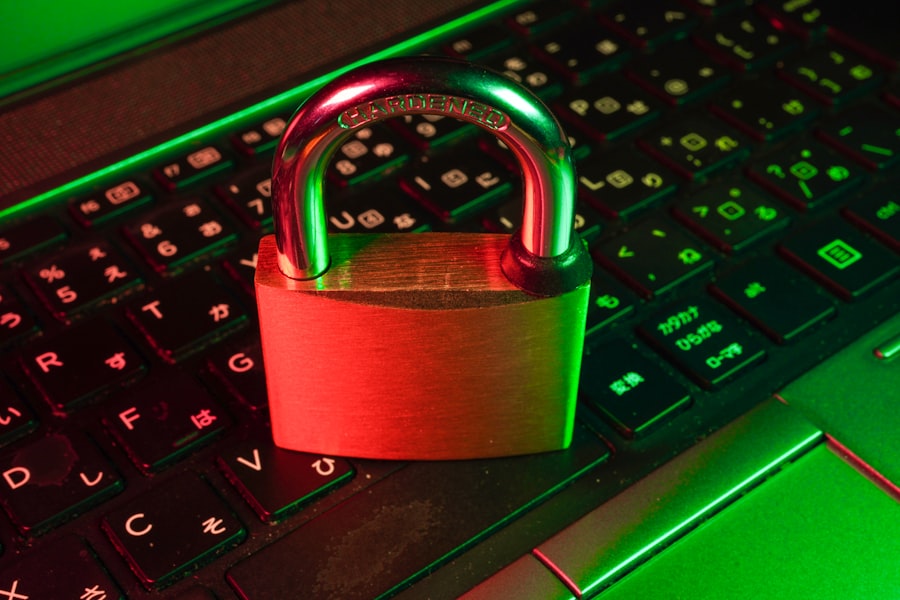
This is the most basic, foundational layer. We check your URL. Does it start with “https://”? You should and your customers should see that padlock icon in their browser’s address bar. This isn’t just a visual flourish; it means an SSL/TLS certificate is installed and active. This certificate encrypts all data transmitted between your users and your server. We’re talking passwords, credit card numbers, personal information – everything. Without HTTPS, that data is sent in plain text, making it incredibly easy for someone to intercept. It’s a fundamental breach of trust and a huge red flag for search engines, who will penalize sites without it. For businesses, this is non-negotiable.
Are Your Systems Up-to-Date? (The Software Lifecycle)
This is where the “set it and forget it” mindset truly falters. Every piece of software your website relies on – the platform itself (like WordPress, Drupal, Magento), its themes, plugins, and server operating systems – needs regular updates. These updates aren’t just for new features; a significant portion of them are security patches designed to close newly discovered vulnerabilities. Running outdated software is like leaving your doors and windows unlocked because you didn’t feel like changing the locks after a known weak point was publicized.
- CMS Core Updates: We ensure your content management system is always on its latest stable version.
- Plugin & Theme Management: Every plugin or theme introduces potential entry points. We meticulously update and vet them, removing anything unmaintained or suspicious.
- Server-Side Software: Beyond your website, the underlying server software (PHP, MySQL, Apache/Nginx, etc.) needs regular patching and configuration. This is often where critical vulnerabilities hide, far from what you might see on the front end.
Are There Active Security Protections? (The Digital Guard Dogs)
Beyond encryption and updates, active security measures are essential. These are the tools that are constantly monitoring, scanning, and defending your site against malicious activity.
- Security Plugins & Firewalls: If your site uses a CMS, we deploy and configure robust security plugins that act like digital guard dogs. They scan for malware, monitor suspicious login attempts, and block known bad IPs. We also implement Web Application Firewalls (WAFs) that filter malicious traffic before it even reaches your site, acting as a crucial first line of defense.
- Email Authentication: Ever worried about someone spoofing your business email? We ensure your email system uses Sender Policy Framework (SPF), DomainKeys Identified Mail (DKIM), and DMARC authentication. These protocols confirm that emails sent from your domain are legitimate, preventing phishing attacks that can damage your reputation and defraud your customers. This is standard with professional email services like Microsoft 365 or Google Workspace, but it needs to be correctly configured for your domain.
The Deep Dive: What We Do Behind the Scenes
While you can look for some of the signs we just discussed, much of what makes a website truly secure happens out of sight. This is the domain of expert “Done-For-You” managed services. This is where we earn our stripes at Monkey Business.
Restricted Access Controls
Who has access to your website’s backend, its files, and its database? This is critical. We implement strict access controls, ensuring that only necessary personnel have the exact permissions they need – and no more. If an employee leaves, their access is immediately revoked. We enforce strong password policies and multi-factor authentication (MFA) to prevent unauthorized logins. Think of it like giving out keys to your store: every key needs to be accounted for, and some keys only open certain doors.
Professional Security Monitoring & Incident Response
A secure website isn’t just about preventing attacks; it’s also about detecting them quickly and having a plan when they do occur. We put in place 24/7 professional security monitoring. This means we’re constantly watching for anomalies, suspicious activity, and potential breaches.
- Real-time Threat Detection: Our systems are designed to identify unusual patterns that might indicate an attack in progress.
- Regular Backups: This is non-negotiable. If the worst happens, you need a clean, recent backup to restore your site quickly. We implement a robust, off-site backup strategy.
- Incident Response Plan: We don’t just react; we have a documented plan. This covers everything from isolating the breach and restoring data to communicating with you and, if necessary, your customers. Having this plan in place significantly reduces downtime and mitigates damage. It’s like having a fire escape plan for your building; you hope you never need it, but you’re glad it’s there if you do.
Adherence to Secure Coding Standards
How your website’s code is written plays a massive role in its security. We work with developers who adhere to secure coding standards. This means:
- Input Validation: Preventing malicious data from being entered into your system.
- Error Handling: Ensuring that error messages don’t inadvertently expose sensitive information.
- Code Reviews: Our development process includes rigorous code reviews to identify and rectify vulnerabilities before they ever go live.
- Dependency Management: Ensuring all third-party libraries and components used in your site are secure and up-to-date.
Remember, a custom-built site or even a template-based one can have vulnerabilities if the underlying code is sloppy or rushed. This isn’t something you’re expected to evaluate; it’s an expert-level task that we handle for you.
Legal Accessibility: An Often Overlooked Security Layer

While not strictly “cybersecurity” in the traditional sense, legal accessibility is increasingly intertwined with your website’s functionality and, by extension, its security and business continuity. Ignoring it can lead to lawsuits and accessibility claims, which disrupt your business operations and carry heavy financial penalties. From our perspective, ensuring your website is legally accessible is a form of proactive risk management – securing your business from legal vulnerabilities.
WCAG Compliance as a Standard
You’ve likely heard of the Americans with Disabilities Act (ADA). On the web, it translates largely into compliance with the Web Content Accessibility Guidelines (WCAG). This means your website needs to be perceivable, operable, understandable, and robust for everyone, regardless of ability.
- Clear Navigation: Is your site easy to navigate for users with screen readers or keyboard-only input?
- Descriptive Alt Text: Are your images described for those who can’t see them?
- Keyboard Accessibility: Can all interactive elements be operated without a mouse?
- Contrast Ratios: Is your text easy to read against its background?
We bake accessibility into our development and maintenance process. It’s not an afterthought; it’s a design principle. This protects you from potential lawsuits and expands your customer base, making your site usable for everyone. A legally accessible site is also, often, a more user-friendly site for all your customers. We see it as a baseline requirement for a well-functioning, risk-mitigated digital presence.
When evaluating the security of your business website, it can be beneficial to consider various aspects of web design and development. A related article that provides insight into the essential questions to ask your web design agency can help ensure that security measures are integrated from the start. For more information, you can read about these important considerations in this informative article. This knowledge can empower you to make informed decisions that enhance the overall security of your online presence.
The Monkey Business Difference: Your Dedicated Digital Bodyguards
| Security Metric | Description |
|---|---|
| SSL Certificate | Check if your website has a valid SSL certificate to ensure data encryption. |
| Regular Security Updates | Ensure that your website platform, plugins, and software are regularly updated to patch security vulnerabilities. |
| Strong Passwords | Enforce strong password policies for user accounts to prevent unauthorized access. |
| Firewall Protection | Implement a firewall to monitor and filter incoming and outgoing web traffic. |
| Secure Payment Processing | If applicable, ensure that your website’s payment processing is compliant with industry security standards. |
So, how do you know if your business website is actually secure? The honest answer is: you probably don’t, not without an expert team like ours constantly monitoring and managing it. You simply have too much else to worry about. We aren’t just developers; we’re your digital bodyguards. We understand the nuances of online security, the legal landscape, and the importance of a seamless user experience.
We provide comprehensive “Done-For-You” managed website services. This means:
- Proactive Security: We’re always updating, always monitoring, always defending. We don’t wait for a problem; we prevent it.
- Constant Vigilance: Our professional security monitoring means we catch issues fast, often before you even notice them.
- Peace of Mind: You can sleep soundly knowing your digital storefront is protected, compliant, and performing optimally.
- Expert Support: We’re here for you, not just for emergencies, but for ongoing guidance and strategy.
- Full Compliance: We manage the complexities of legal accessibility, so you don’t have to stress about ADA or WCAG violations.
Forget about cheap hosting that leaves you exposed or DIY builders that offer little more than a flimsy facade. Your business deserves a robust, secure, and professionally managed online presence.
Ready to move beyond guesswork and truly secure your business’s digital future? Reach out to us at Monkey Business today for a comprehensive security audit and to discuss our managed website service packages. Let us handle the complex security work, so you can get back to what you do best: running your business.
FAQs
1. What are some signs that indicate my business website may not be secure?
Some signs that your business website may not be secure include frequent malware or virus infections, unexplained website downtime, unauthorized changes to website content, and customer complaints about security issues.
2. How can I check if my business website is secure?
You can check if your business website is secure by using online security tools to scan for vulnerabilities, ensuring that your website has a valid SSL certificate, regularly updating your website’s software and plugins, and implementing strong password policies.
3. What are some common security threats that business websites face?
Common security threats that business websites face include malware infections, phishing attacks, DDoS (Distributed Denial of Service) attacks, SQL injection, and cross-site scripting (XSS) attacks.
4. What steps can I take to improve the security of my business website?
To improve the security of your business website, you can implement regular security audits, use strong and unique passwords, enable two-factor authentication, install security plugins, regularly backup your website data, and educate your employees about cybersecurity best practices.
5. Why is it important for my business website to be secure?
It is important for your business website to be secure because a secure website helps protect your business and customer data, builds trust with your customers, improves your website’s search engine ranking, and reduces the risk of costly security breaches and downtime.