Quick Summary: Custom websites built by professionals generally generate higher quality leads because they focus on trust, clear messaging, and strong calls to action. DIY website builders are faster and cheaper initially but often result in weaker lead conversion and higher owner time costs. For businesses where leads are crucial, investing in professional design pays off through better credibility and long-term ROI.
If your business lives on calls, forms, or bookings, DIY Website Builders rarely beat custom design for lead quality. Service firms, nonprofits, and local brands need sites that build trust and convert. This comparison uses real Lead Generation Strategies and practical Website Design Tips to show where DIY Website Builders work, where DIY Website Builders fall short, and which choice fits your budget and growth plan.
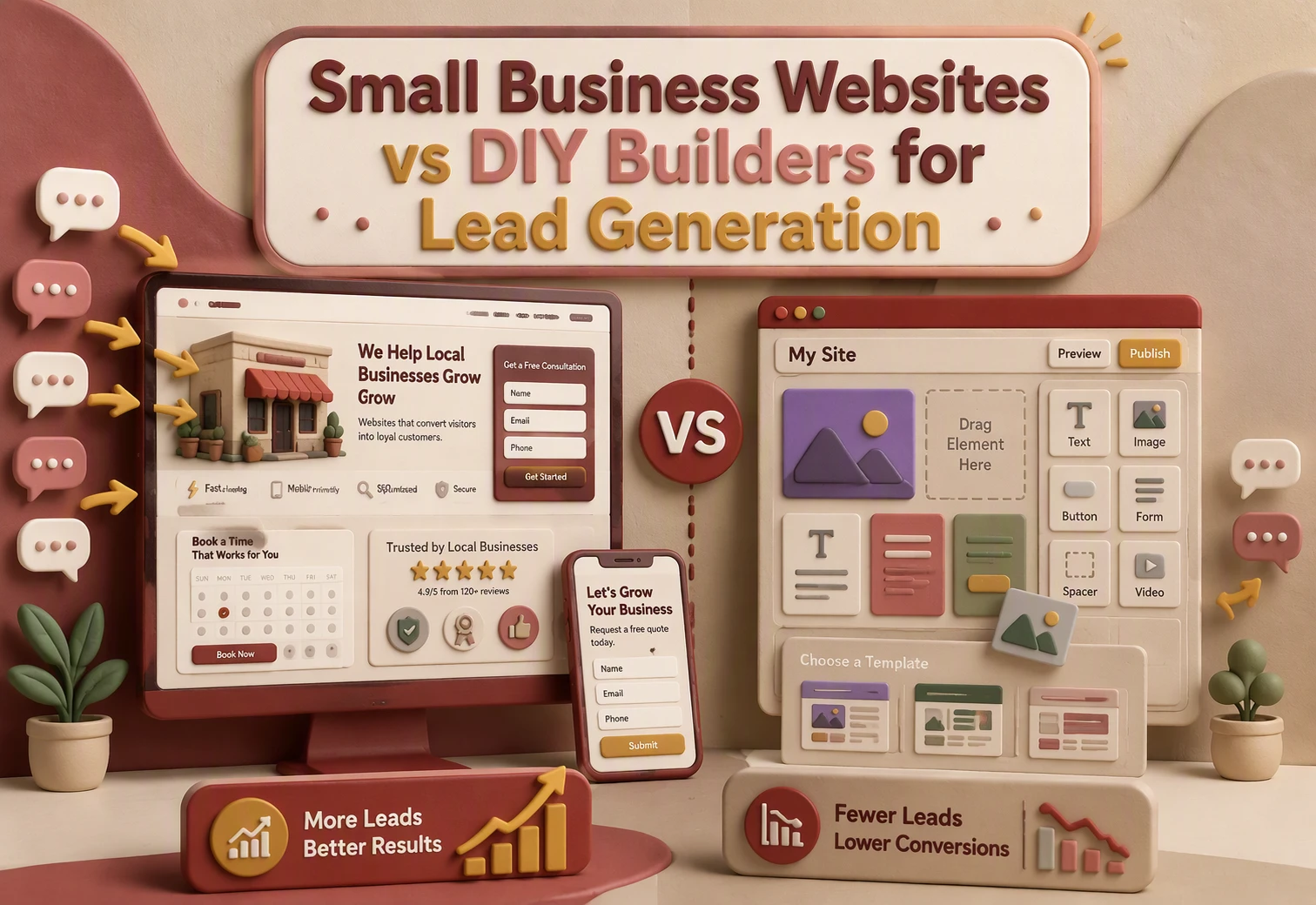
DIY Website Builders vs Professional Web Design for Lead Generation: At a Glance
| DIY website builders | Professional web design | |
|---|---|---|
| Lead generation strength | Good for basic lead capture; depends on user setup | Strong; built to convert qualified inquiries |
| Launch speed | Fast, often same day | Slower than DIY; guided build process |
| Ongoing time commitment | High; owner manages updates and optimization | Low; service team handles execution |
| Customization and strategy | Moderate; limited by templates and self-execution | High; tailored to business goals and audience |
| Cost structure | Low monthly cost, plus owner labor | Higher upfront or monthly investment |
| Best for | Simple sites, tight budgets, and quick launches | Service businesses, nonprofits, and growth-focused local brands |
How DIY website builders and Professional web design Compare
DIY website builders
DIY website builders are no-code platforms for owners who want to launch fast and manage the site themselves. They fit simple websites, tight budgets, and basic lead capture, but results depend heavily on how well you set up pages, forms, and follow-up.
Key strengths
- Fast launch
- Lower monthly cost
- Easy self-service editing
Professional web design
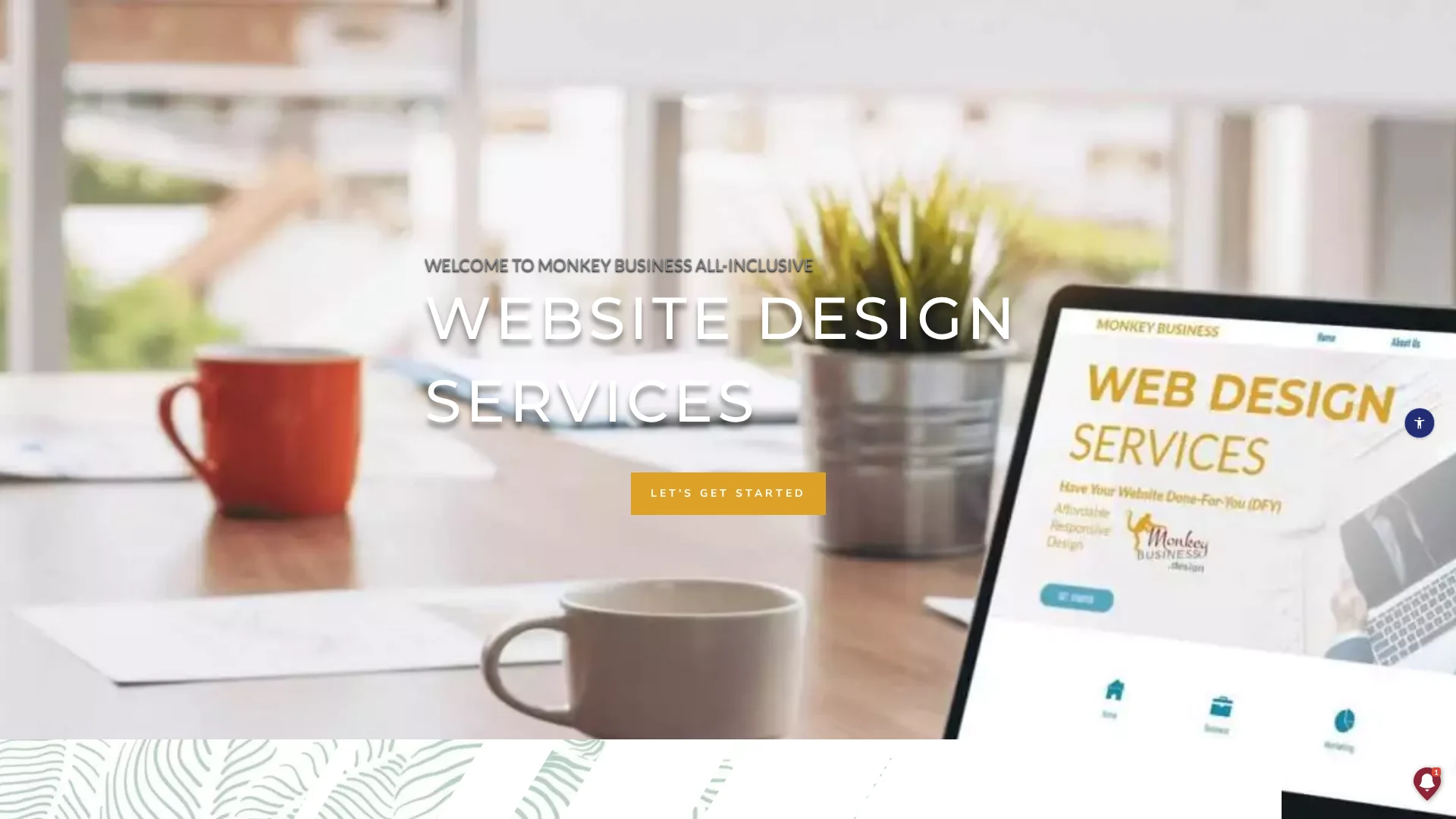
Professional web design is a done-for-you option built around strategy, trust, and conversion-ready lead generation. It fits service businesses, nonprofits, and local brands that want stronger lead quality without owning the daily website workload.
Key strengths
- Higher customization
- Lower owner time
- Stronger conversion focus
Which Option Produces Better Leads?
Custom sites usually win because they build trust, reduce friction, and guide one action. Stanford found people judge credibility fast, and design look was the most cited factor in one large study of website trust Stanford credibility research.
A site converts better when it has:
- a clear offer
- proof you are real
- one strong call to action
Easy contact info, useful pages, and a professional look all raise trust, according to Stanford’s web credibility guidelines.
DIY sites often miss that strategy. Owners focus on colors, pages, and launch speed, but skip message flow, proof, and inquiry paths. That is why many DIY sites get traffic but weak leads.
Also Read: 10 Must-Have Professional Website Design Elements for U.S. Small Businesses
Cost, Timeline, and Owner Time: The Real ROI Difference
Why the cheapest option can become the most expensive
DIY looks cheap until you count your hours. Forbes notes small business website costs vary widely in 2026, but the real gap is owner time, fixes, and lost leads from weak pages Forbes cost guide. If you spend nights writing copy, testing forms, and chasing bugs, the “savings” disappear fast.
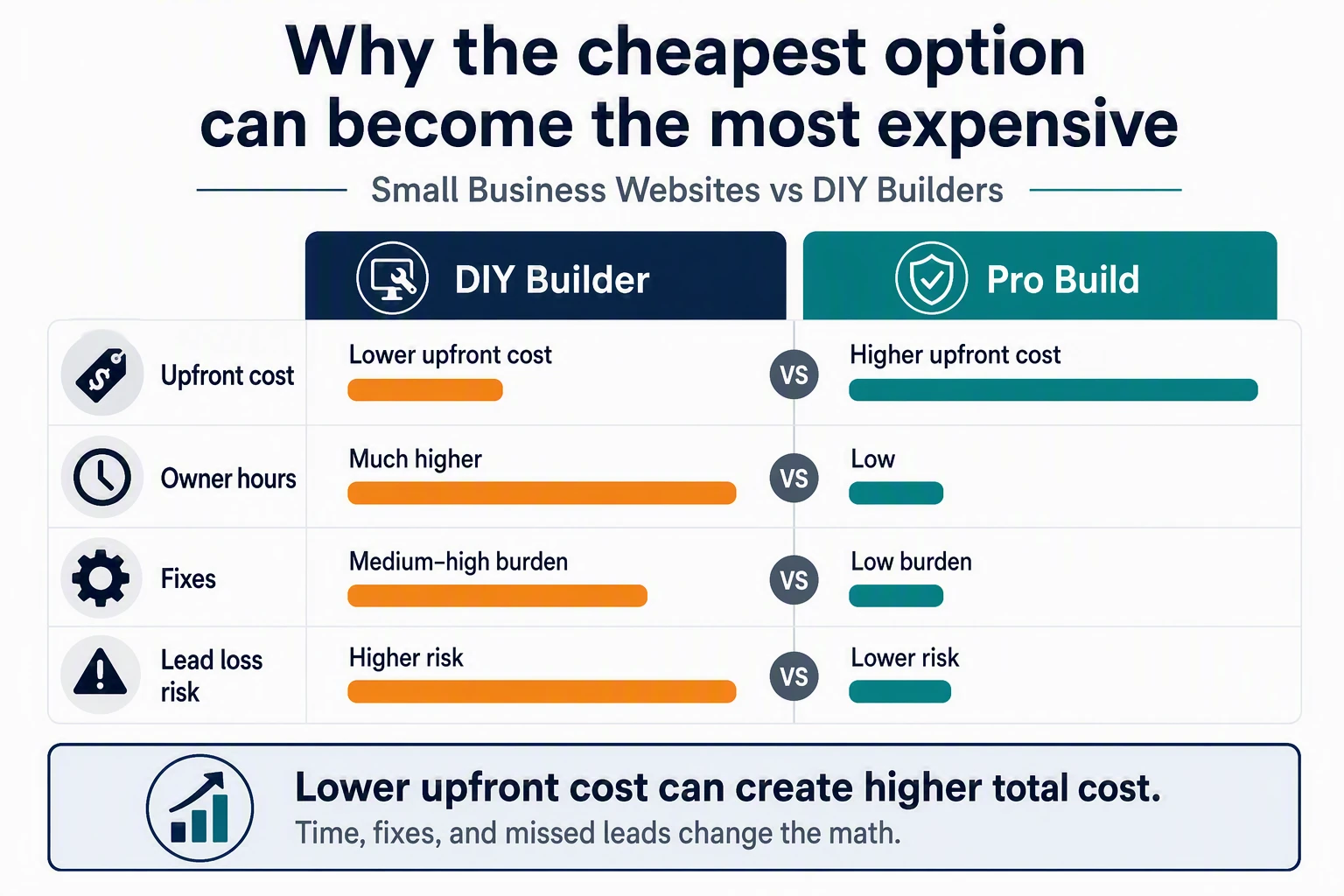
Cheap upfront often means higher hidden cost later.
When professional design pays for itself
A pro-built site pays back when it launches faster and converts better. You trade weeks of trial and error for a tighter process, clearer calls to action, and less owner stress. That matters even more if your business depends on trust and honest reviews under the FTC’s reviews and testimonials rule.
Also Read: 7 Small Business Website Features That Boost Conversions
Why Trust, Compliance, and Follow-Up Matter More Than Templates
Trust signals lift form completions faster than prettier layouts. Add a real phone number, service area, reviews, staff photos, and a clear privacy link. The FTC says businesses should clearly explain how they use personal data in their consumer privacy guidance.

Lead capture should go past one contact form. Use quote requests, scheduler links, callback buttons, and CRM alerts so no inquiry sits cold. Good follow-up also needs clean consent and recordkeeping, especially for calls and texts, as noted in this lead consent guidance.
Also Read: Blog | Monkey Business
Which Should You Choose for Lead Generation?
Choose DIY if speed and simplicity come first
Pick DIY when you need a basic site live fast, your offer is simple, and one contact form is enough. It works best for early testing, side businesses, or groups with tight budgets. Keep expectations modest.
Choose professional design if leads drive revenue
Pick professional design when each lead has real value. Stanford research found people judge credibility fast, and design look strongly shapes trust in this large web credibility study. Their guidelines also stress clear contact details, expertise, and a professional look for stronger web credibility. For service firms, that usually means more qualified leads.

Need more leads without managing a DIY site? Monkey Business builds, hosts, and supports conversion-focused websites for you.
Frequently Asked Questions
Q1: What are the key differences between DIY website builders and professional web design for small businesses?
DIY builders favor speed and lower upfront cost. Professional design gives you stronger messaging, better trust signals, cleaner SEO setup, and a site built around lead flow instead of templates.
Q2: How does professional website design improve lead generation and conversions for small businesses?
A pro site guides visitors to act. It improves page speed, mobile layout, calls to action, forms, service pages, and proof elements that turn more clicks into qualified leads.
Q3: What are the cost, timeline, and ROI comparisons for DIY vs professional small business websites?
DIY is cheaper and faster to launch, but often costs more in lost leads and fixes. Professional sites take longer and cost more upfront, yet usually deliver better long-term ROI.
Conclusion
DIY builders can work for simple sites. But lead generation usually improves with a custom, trust-first website, since design look shapes credibility judgments. The better choice is the one built to earn trust and drive qualified inquiries.