
The success of any website hinges not just on its design and content, but also on the consistent upkeep and enhancement it receives. Enter the realm of website maintenance services: the unsung heroes that ensure your online presence remains secure, efficient, and user-friendly. In this comprehensive guide, we delve into the intricacies of website maintenance and explore the best practices to keep your digital storefront running smoothly. Whether you're a small business owner, non-profit organization, or professional looking to elevate your online presence, mastering the art of website maintenance is key to sustained success in the digital landscape.
The Importance of Regular Website Maintenance
In today's digital landscape, where websites serve as the storefronts for businesses of all sizes, ongoing maintenance is crucial to ensure optimal performance, security, and user experience. Neglecting website maintenance can lead to various issues that negatively impact your online presence and business success.
Impact of Outdated Content and Features
-
Outdated content can result in a loss of credibility and relevance with your audience.
-
Old features may not be compatible with the latest browsers or devices, leading to a poor user experience.
-
Regular updates to content and features keep your website fresh and engaging for visitors.
Security Vulnerabilities and Risks
-
Websites that are not regularly maintained are more susceptible to cyber threats and hacking attempts.
-
Outdated software and plugins can serve as entry points for malicious attacks.
-
Routine maintenance includes security audits and updates to protect your website and data.
Performance Optimization for User Experience
-
Slow loading times, broken links, and errors can drive visitors away from your site.
-
Regular maintenance tasks such as performance testing and optimization ensure a smooth and seamless user experience.
-
Well-maintained websites are more likely to rank higher in search engine results, attracting more traffic and potential customers.
By investing in professional website maintenance services, you can address these critical aspects proactively and keep your online presence secure, up-to-date, and engaging for your target audience.
Essential Tasks in Website Maintenance Services
When it comes to ensuring the optimal performance and security of your website, website maintenance services encompass a range of essential tasks that should not be overlooked. These tasks are fundamental in maintaining a healthy and effective online presence for your business.
Content Updates and Revision
-
Regularly updating and revising content keeps your website relevant and engaging for visitors.
-
Fresh content can improve search engine optimization (SEO) and drive organic traffic to your site.
-
Monitoring content performance and user engagement metrics helps tailor future content strategies.
Software and Plugin Updates
-
Keeping software and plugins up to date is crucial for security and functionality.
-
Outdated software poses a significant security risk, making your site vulnerable to cyber threats.
-
Regular updates ensure that your website is compatible with the latest technologies and standards.
Backups and Disaster Recovery Plans
-
Implementing regular backups of your website data safeguards against data loss due to unforeseen events.
-
Having a solid disaster recovery plan in place minimizes downtime in the event of a website crash.
-
Backups are essential for restoring your site to a previous state if issues arise during maintenance or updates.
Security Audits and Monitoring
-
Conducting routine security audits helps identify and address potential vulnerabilities in your website.
-
Continuous monitoring of security protocols enhances the overall protection of your site.
-
Implementing security best practices mitigates the risk of cyberattacks and data breaches.
Performance Testing and Improvement
-
Regular performance testing ensures that your website loads quickly and functions optimally.
-
Identifying performance bottlenecks helps improve user experience and retention.
-
Optimization techniques such as image compression and cache management enhance site speed and performance.
By incorporating these essential tasks into your website maintenance strategy, you can proactively address key areas that contribute to the success and longevity of your online presence.
Choosing the Right Website Maintenance Service Provider
Selecting the ideal website maintenance service provider is a critical decision that can significantly impact the efficiency and effectiveness of your online operations. When evaluating potential providers, consider the following factors to ensure that you make an informed choice that aligns with your business needs.
Evaluating Services Offered
-
Look for a provider that offers a comprehensive range of maintenance services tailored to your specific requirements.
-
Ensure that the services encompass content updates, security audits, performance optimization, and backup solutions.
-
Scalability and customization options should also be available to accommodate your website's growth and evolving needs.
Pricing Models and Packages
-
Compare pricing models and packages offered by different providers to find the best value for your investment.
-
Consider whether the pricing structure aligns with your budget and provides transparent pricing without hidden fees.
-
Opt for a provider that offers flexible payment options and clear service level agreements (SLAs).
Reputation and Client Feedback
-
Research the provider's reputation by exploring client reviews, testimonials, and case studies.
-
Verify the provider's track record of delivering reliable and high-quality maintenance services to clients.
-
Reputable industry certifications and partnerships can further validate the provider's expertise and commitment to excellence.
Customization and Scalability Options
-
Choose a provider that can tailor their services to meet your unique business requirements and goals.
-
Ensure that the provider can scale their services as your website grows and demands evolve over time.
-
Discuss customization options with the provider to address any specific features or functionalities you may need.
By carefully assessing these key considerations when selecting a website maintenance service provider, you can confidently entrust your website's upkeep to a trusted partner that enhances your online presence and supports your business objectives.
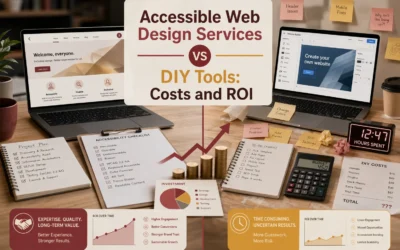
DIY Website Maintenance vs. Professional Services
When it comes to managing the maintenance of your website, you may face the decision of handling it in-house or outsourcing the task to professional website maintenance services. Each approach comes with its own set of advantages and considerations, which should be carefully weighed to determine the best fit for your business needs.
Pros and Cons of Managing Maintenance In-House
-
Pros:
-
Direct control over the maintenance process and timelines.
-
Immediate response to issues or updates without reliance on external parties.
-
Cost savings for businesses with the necessary technical expertise and resources.
-
-
Cons:
-
Requires dedicated time and expertise to stay updated on maintenance tasks.
-
Increased risk of overlooking critical updates or security vulnerabilities.
-
Limited scalability and potential challenges in handling advanced maintenance tasks.
-
Benefits of Outsourcing to Expert Providers
-
Pros:
-
Access to specialized expertise and industry best practices in website maintenance.
-
Time and resource savings for businesses focusing on core operations.
-
Comprehensive services covering a wide range of maintenance tasks and proactive monitoring.
-
-
Cons:
-
Dependency on external providers for timely maintenance and updates.
-
Cost considerations for businesses with budget constraints or specific pricing expectations.
-
Communication channels and response times may vary based on the service provider.
-
When deciding between DIY website maintenance and professional services, evaluate factors such as your business's technical capabilities, resource availability, budget constraints, and long-term maintenance requirements. Choosing the right approach ensures that your website remains secure, efficient, and optimized for optimal performance.
Best Practices for Ongoing Website Maintenance
Implementing best practices for ongoing website maintenance is essential to ensure the continuous efficiency, security, and performance of your online presence. By following a structured approach and incorporating proactive strategies, you can optimize your website's maintenance efforts for long-term success.
Setting Up Regular Maintenance Schedules
-
Establish a consistent schedule for conducting routine maintenance tasks such as updates and backups.
-
Create a detailed maintenance calendar with deadlines and responsibilities to maintain accountability.
-
Regularly review and adjust maintenance schedules based on website performance and feedback.
Monitoring Website Performance Metrics
-
Utilize tools and analytics to track key performance indicators (KPIs) such as page load times and conversion rates.
-
Identify trends and patterns in performance data to address potential issues or areas for improvement.
-
Benchmark performance metrics against industry standards and competitors for comparative analysis.
Addressing Issues Promptly and Effectively
-
Implement a system for reporting and resolving website issues, bugs, or downtime in a timely manner.
-
Prioritize critical issues based on impact and severity to maintain uninterrupted website functionality.
-
Communicate transparently with stakeholders and users regarding maintenance updates and resolutions.
Continuous Improvement Strategies for Long-Term Success
-
Conduct regular audits of your website's content, design, and functionality to identify areas for enhancement.
-
Gather user feedback and insights to inform ongoing improvements and user experience enhancements.
-
Stay informed about evolving technologies, trends, and best practices in website maintenance to adapt and innovate proactively.
By incorporating these best practices into your website maintenance approach, you can optimize the performance, security, and user experience of your website, driving sustained growth and engagement with your target audience.
1. What does website maintenance entail?
Website maintenance encompasses various tasks such as content updates, software patches, security audits, and performance optimization to ensure your website functions smoothly and remains secure.
2. How often should I perform website maintenance?
The frequency of website maintenance depends on factors like the complexity of your site, the volume of traffic it receives, and the regularity of content updates. Typically, scheduling monthly or quarterly maintenance checks is advisable.
3. Can I handle website maintenance on my own?
While basic tasks like content updates can be managed internally, more technical aspects such as security audits and software updates are best handled by professional website maintenance services to mitigate risks effectively.
4. What are the consequences of neglecting website maintenance?
Neglecting website maintenance can lead to slower performance, security vulnerabilities, outdated content, higher bounce rates, and potential damage to your brand's credibility and reputation.
5. How do I choose the right website maintenance service provider?
When selecting a website maintenance service provider, consider factors like service offerings, pricing models, reputation, client feedback, customization options, and scalability to ensure they align with your specific needs and goals.