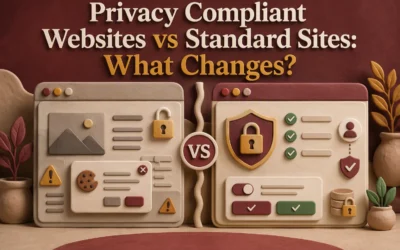

Beginning this exploration of website compliance solutions is akin to unlocking a digital treasure chest of essential strategies to fortify your online presence. As the digital landscape continues to evolve, the need for robust compliance measures has become paramount for businesses and organizations looking to navigate the complex realm of online regulations. Whether you're striving to enhance data privacy, ensure accessibility, or safeguard user information, delving into the world of website compliance solutions can lead you down a transformative path of security, trust, and regulatory adherence. So, grab your virtual compass, and let's embark on a journey to discover the key principles and innovations that shape the realm of website compliance solutions.
Understanding Website Compliance
Legal Framework for Website Compliance
Best Practices for Achieving Website Compliance
-
Implementing clear privacy policies to inform users about data collection practices.
-
Ensuring all website content is accessible to users with disabilities.
-
Regularly updating security measures to protect user information.
-
Conducting thorough compliance checks to identify and address any issues promptly.
Tools and Technologies for Website Compliance
-
Utilizing website scanning tools like Siteimprove to assess compliance status.
-
Installing security plugins such as Wordfence to prevent data breaches.
-
Integrating accessibility widgets like accessiBe to improve user experience for all visitors.
Continuous Monitoring and Updates for Compliance
Keeping track of changes in regulations and industry standards.
Regularly conducting compliance audits to ensure adherence to guidelines.
Staying informed about emerging technologies and tools to enhance website compliance.
Bringing It All Together: Your Website Compliance Action Plan
Assess your current compliance status using tools like the WAVE Web Accessibility Evaluation Tool.
Create a detailed roadmap outlining steps to achieve and maintain compliance.
Seek professional consultation or services like those offered by Veracode for expert guidance in implementing compliance measures.
For more information on website compliance solutions, check out the latest guidelines from the World Wide Web Consortium (W3C) at W3C Website Standards.
Tools and Technologies for Website Compliance
Implementing the right tools and technologies is crucial in ensuring your website meets compliance standards effectively.
Website Scanning Tools
-
Utilize robust website scanning tools like Google Search Console to identify potential compliance issues.
-
Regularly conduct comprehensive scans to check for broken links, accessibility errors, and security vulnerabilities.
Security Plugins
-
Enhance your website's security with reliable plugins such as Sucuri Security for malware detection and removal.
-
Regularly update security plugins to stay protected against evolving cyber threats.
Accessibility Widgets
-
Improve the accessibility of your website by integrating tools like UserWay that offer customizable features for users with disabilities.
-
Ensure all website content is perceivable, operable, understandable, and robust for all visitors.
Continuous Monitoring Systems
-
Implement monitoring systems like ContentKing to track website changes and detect compliance deviations in real-time.
-
Set up alerts and notifications to stay informed about any compliance issues that may arise.
By leveraging these tools and technologies, you can enhance the compliance status of your website and provide a seamless user experience for all visitors.
For more insights on website compliance solutions, consider consulting the comprehensive resources available on the official website of Google Webmaster Guidelines at Google Webmaster Guidelines.
Continuous Monitoring and Updates for Compliance
Sustaining website compliance involves ongoing monitoring and updating strategies to align with evolving standards and regulations.
Importance of Ongoing Compliance Monitoring
Regularly monitor your website for compliance deviations to prevent potential legal repercussions and reputational damage.
Stay informed about the latest industry trends and regulatory changes to adapt your compliance measures proactively.
Strategies for Keeping Up with Changing Regulations
Establish a dedicated compliance team responsible for staying abreast of regulatory updates and implementing necessary changes.
Engage in continuous professional development to enhance your understanding of compliance requirements.
Regular Audits and Assessments for Maintaining Compliance
Conduct routine compliance audits using tools like SEMrush to identify areas of improvement and potential risks.
Collaborate with compliance experts, such as those from IBM Security, to perform comprehensive assessments and ensure adherence to regulations.
Effectively managing continuous monitoring and updates for compliance guarantees a resilient and legally compliant online presence.
For more detailed insights into website compliance solutions, explore the valuable resources provided by the International Association of Privacy Professionals (IAPP) at IAPP Website Compliance Resources.
Bringing It All Together: Your Website Compliance Action Plan
Embarking on a journey to enhance website compliance requires a structured action plan to streamline the process effectively.
Steps to Assess Current Compliance Status
-
Utilize tools like Screaming Frog SEO Spider to conduct a comprehensive audit of your website's compliance status.
-
Evaluate key areas such as data privacy, accessibility, and security protocols to identify potential gaps.
Creating a Roadmap for Achieving and Maintaining Compliance
-
Develop a detailed roadmap outlining specific tasks, timelines, and responsible parties for implementing compliance measures.
-
Prioritize areas of improvement based on criticality and feasibility to ensure a systematic approach.
Resources and Support for Implementing Compliance Measures
-
Seek guidance from reputable compliance consultants like Deloitte to navigate complex compliance requirements and regulatory frameworks.
-
Invest in training programs for your team to enhance their understanding of compliance best practices and promote a culture of compliance.
By creating a comprehensive action plan tailored to your website's unique needs and requirements, you can effectively achieve and maintain a high level of compliance.
For additional guidance on website compliance solutions, consider exploring the insights and resources provided by the Electronic Frontier Foundation (EFF) at EFF Website Compliance Resources.
Top Website Compliance Solutions Providers
Finding the right partner to support your website compliance efforts can significantly streamline the process and ensure comprehensive adherence to regulations.
1. Deloitte
Deloitte offers a range of compliance services, including data privacy assessments, security audits, and regulatory compliance consulting.
Their team of experts can help identify compliance gaps and develop tailored solutions to mitigate risks effectively.
2. IBM Security
As a leader in cybersecurity solutions, IBM Security provides advanced tools and services to enhance website compliance.
From threat intelligence to regulatory compliance management, IBM Security offers comprehensive solutions to protect your online assets.
3. Veracode
Veracode specializes in application security and compliance testing, helping organizations secure their websites and applications.
Their automated testing solutions can identify vulnerabilities and provide actionable insights to ensure compliance with industry regulations.
4. Siteimprove
Siteimprove offers website monitoring tools that can assist in maintaining compliance with accessibility standards and data privacy regulations.
Their platform provides detailed reports and recommendations to help you optimize your website for compliance.
Choosing a reputable website compliance solutions provider is crucial in establishing a robust compliance framework that aligns with industry standards and regulations.
For more information on leading website compliance solutions providers, visit the official websites of Deloitte, IBM Security, Veracode, and Siteimprove.
Evolution of Website Compliance Solutions
The landscape of website compliance solutions has evolved significantly over the years, driven by advancements in technology and changing regulatory requirements.
Emergence of Automated Compliance Tools
-
Automation technologies like AI and machine learning have revolutionized the way website compliance is managed.
-
Tools such as TrustArc and OneTrust offer automated compliance solutions that streamline the assessment and implementation of compliance measures.
Integration of Blockchain for Enhanced Security
-
Blockchain technology is increasingly being integrated into compliance solutions to provide secure and transparent data management.
-
Companies like Ernst & Young (EY) leverage blockchain for ensuring data integrity and authenticity in compliance processes.
Focus on User-Centric Compliance Measures
-
Compliance solutions are now placing greater emphasis on user experience and accessibility for all visitors.
-
Providers like AccessiBe focus on delivering compliance solutions that prioritize inclusivity and user-friendly design.
The evolution of website compliance solutions continues to cater to the growing complexities of digital operations, emphasizing efficiency, security, and user-centricity.
For more information on the latest trends in website compliance solutions, explore the insights and innovations from leading companies such as TrustArc, OneTrust, Ernst & Young (EY), and AccessiBe.
FAQ Section
How do website compliance solutions benefit small businesses?Website compliance solutions help small businesses align with legal requirements, build trust with customers, and mitigate the risk of costly fines or legal actions. By ensuring compliance, small businesses enhance their credibility and protect sensitive data, fostering a positive online reputation.
What are the key components of a website compliance strategy?A comprehensive website compliance strategy typically includes elements such as data privacy policies, accessibility features for users with disabilities, regular security audits, and adherence to industry-specific regulations. Each component plays a crucial role in maintaining compliance and upholding ethical practices.
Are automated compliance tools suitable for all types of websites?Automated compliance tools offer efficiency and accuracy in monitoring and maintaining compliance measures. While beneficial for many websites, the suitability of these tools depends on the complexity of compliance requirements, the volume of data processed, and the specific regulations applicable to each website.
How frequently should websites undergo compliance checks and updates?Websites should undergo regular compliance checks to identify any issues promptly and ensure ongoing adherence to regulations. The frequency of these checks may vary based on the industry, regulatory changes, website updates, and the level of sensitivity of the data being handled.
What role do compliance consultants play in implementing website compliance solutions?Compliance consultants provide expertise, guidance, and tailored solutions to help businesses navigate the complexities of website compliance. They conduct audits, offer strategic advice, and assist in implementing best practices to establish a robust compliance framework customized to each organization's needs.